|
As we all learn to live with COVID-19, it's crucial to have the right tools for taking care of ourselves. Our immune systems are complex, and how well they operate depends on several factors, many of which are within our control. Our day-to-day lifestyles directly impact the health of our immune systems. Making healthy changes to our daily habits can significantly impact our ability to handle all diseases, including viral and respiratory ones. It may seem all too simple, but the resilience of our bodies depends heavily on how well we nourish ourselves and how often we exercise. How Diet Impacts The Immune SystemWhen it comes to supporting a healthy immune system, diet matters. A well-functioning immune system needs a wide variety of macro and micro-nutrients. Macronutrients such as carbohydrates and fats provide the fuel our immune cells need to carry out their duties. Proteins, which are also macronutrients, are broken down into amino acids, the building blocks for generating new cells and essential immune system components such as RNA, DNA, antibodies, and cytokines. Micronutrients include antioxidants such as vitamins A, C, and E, zinc, selenium, and plant polyphenols, which help fight inflammation and oxidative stress, preventing viral and bacterial infections and diseases such as cancer. These and many other micronutrients play specific roles in various anti-viral, anti-bacterial, and anti-inflammatory functions, making them crucial in our diets. Processed, fried, and fast foods are pro-inflammatory and often deficient in essential micronutrients. Imbalanced diets that include too many of these foods compromise the ability of the immune system to protect against invaders. However, whole, unprocessed foods are rich in the nutrients necessary to keep our immune systems strong. 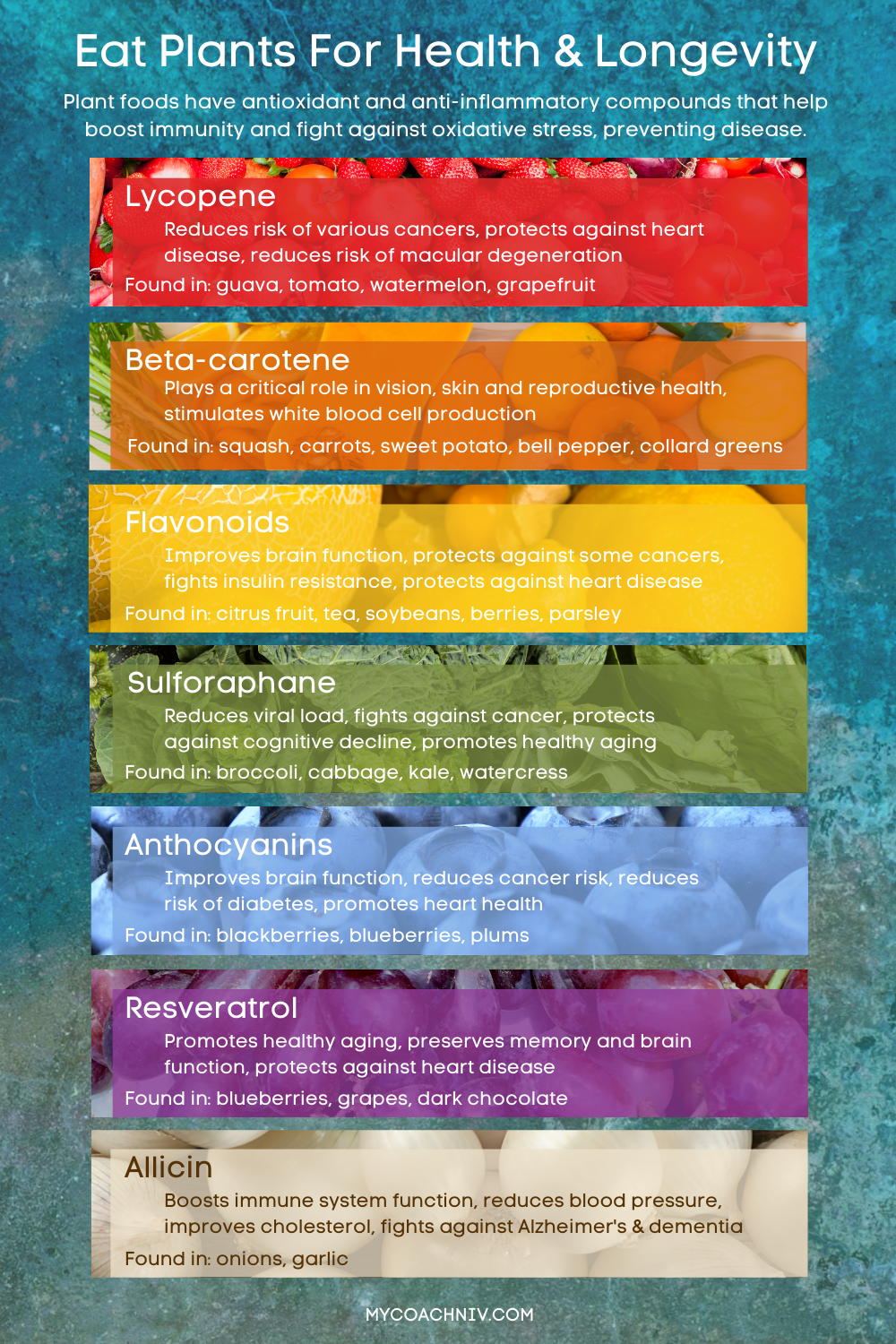 In particular, plant foods (fruits, vegetables, nuts, beans & legumes, seeds, mushrooms, herbs, and spices) are vital. They are potent sources of the nutrients necessary for modulating the immune system. They're also the only foods containing fiber, which feeds gut bacteria that also help regulate the immune system. Not having enough plant foods in the diet can lead to underlying nutrient deficiencies, making it harder to fight off infection. Studies published during COVID-19 found that nutrient-dense plant-based diets were associated with better health outcomes. The COVID Symptom Study surveyed 592,571 participants and found that diets with the most fruits, vegetables, and other plant foods were associated with a 41% lower risk of severe COVID and a 9% reduction in infections at all. Another study found that people who followed plant-based or pescatarian diets rich in vegetables, nuts, and legumes had a 73% lower risk of severe COVID-19. In contrast, those who ate low-carb, high-protein diets were 48% more likely to experience severe illness. Incorporating nutrient-rich plant foods while avoiding red and processed meats (which can be pro-inflammatory) can be protective against the worst outcomes of COVID-19.  Supporting The Immune System With ExerciseOf course, a healthy lifestyle is about more than just what you eat - it's also how much you move. Science also supports the notion that exercise can impact your ability to handle infections. A recent study in the British Medical Journal directly measured the physical activity of 65,361 adults, all of whom had a COVID-19 diagnosis. Researchers sorted them into groups based on low (less than 60 mins/week), moderate (60-149 mins/week), and high activity levels (more than 150 mins/week). The highly active participants were less likely to be hospitalized, had lower ICU admission rates, lower rates of ventilation, and lower rates of death compared to those who were less active. People who were highly and moderately active fared significantly better with COVD-19 overall, suggesting that exercise has a protective effect. This protective effect was seen even in those with chronic medication conditions. This study is just the latest of many that show that physical activity makes a huge difference in health outcomes from infections and diseases. A 2011 study compared participants with upper respiratory tract infections and found that those who regularly did five days or more of cardiovascular exercise had shorter, less severe infections. This finding suggests that lack of exercise can cause seasonal colds, flu, and other respiratory viruses to be longer and more severe than they have to be. One review covering over 170 studies found that regular moderate-to-vigorous activity is essential for a healthy immune and inflammatory response. The science is clear: sedentary lifestyles leave people at risk for more prolonged and severe viral infections, from influenza to COVID-19. 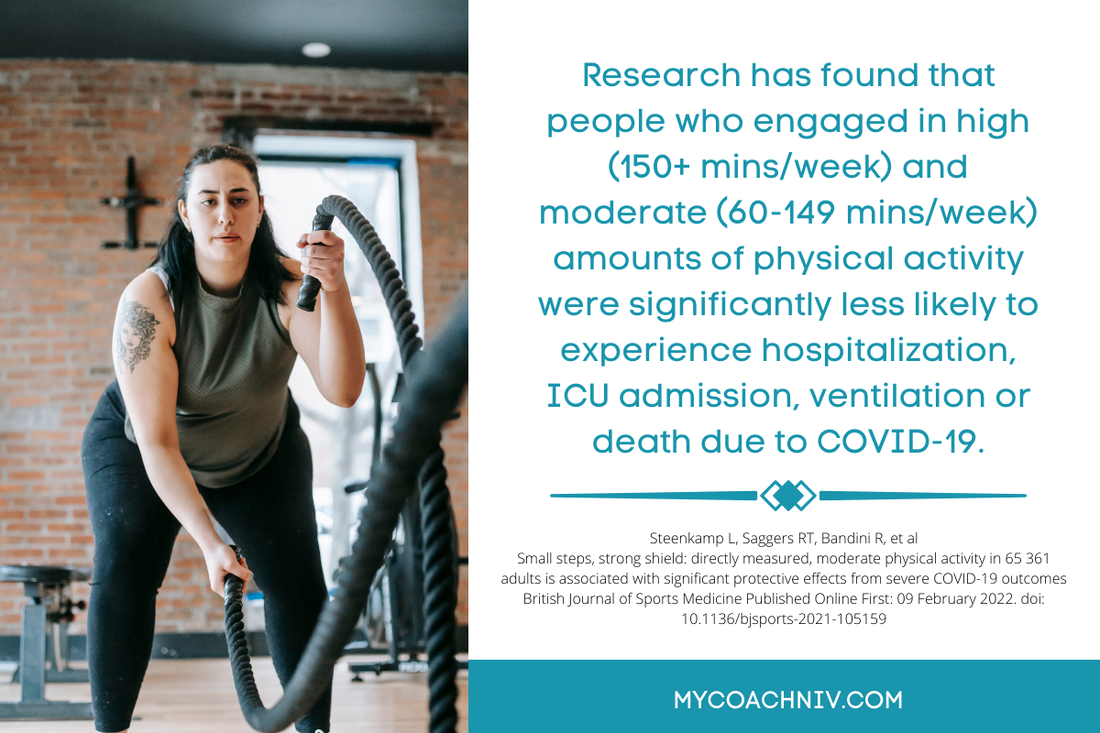 So how, exactly, does exercise improve the immune system? Almost half of the human body is muscle. When we contract these muscles via movement and exercise, they release proteins vital for regulating various biological processes. These muscle proteins, called myokines, are involved in hundreds of different functions, including helping muscle growth, supporting glucose metabolism, and regulating the immune system. Myokines have an anti-inflammatory effect and help maintain homeostasis between B and T cells. Each bout of exercise produces these B and T cells, which are crucial to a healthy immune system. B cells attack invaders such as viruses, toxins, and bacteria, while T cells attack the cells in our body that have already become infected or cancerous. Studies have found that exercise increases the proportion of healthy, anti-inflammatory cells while decreasing the accumulation of cells that have become defective and cannot perform optimally. The optimal performance of these cells is what keeps our immune system in tip-top shape, ready and able to mount a strong defense against possible invaders. When we don't move enough, we rob ourselves of opportunities to strengthen and maintain our immune system through muscle contractions. Going on a brisk, 30-minute walk each day or weight training 2-3x per week can help fortify your immune system. Even doing yoga a few times per week can be beneficial. While it may not prevent you from catching COVID-19 or any other viral infection, it will significantly reduce the severity and your risk of needing hospitalization. Other Lifestyle FactorsIn addition to diet and exercise, getting adequate sleep, staying hydrated, and managing stress can all help to keep our bodies healthy, making us more resilient against all kinds of illness and disease.
Infections and diseases can be scary, often causing feelings of hopelessness. But you have more power than you think. Your daily choices can make all the difference in how well your body can fight off whatever comes its way.
0 Comments
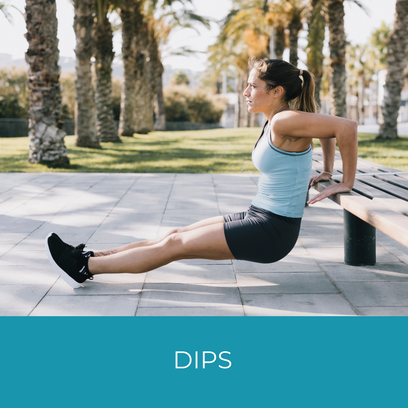
Many people underestimate how effective a consistent walking routine can be for weight loss. Strolling at an average walking pace is sufficient for achieving weight loss as long as it's long enough and frequent enough. Thirty minutes to an hour a day of walking can make a massive difference for most people. But if you've hit a plateau or want to burn more calories, you'll have to increase the intensity. Here are some fun and effective ways to get more out of your walk to achieve weight loss. 1. Take longer walks. The easiest way to boost the calorie burn of your walk while still keeping it low-intensity is to simply walk for longer. However, because longevity is the key, don't attempt to do daily hour-long walks if you know that you'll feel less motivated to do them in a couple of weeks. Remember, the most effective workout is the one you'll actually show up for. 2. Pick up the pace. If you aren't too keen on long walks, there's still a lot that you can accomplish in thirty minutes. Walking briskly and swiftly means expending significantly more energy than simply strolling. Walk fast enough to get your breathing and heart rate up a bit, but you're still able to carry on a casual conversation. Over time, you can push yourself to go faster to really break a sweat. 3. Walk to the beat. Put on a playlist full of high-tempo music that makes you want to dance and challenge yourself to walk to the beat. You can put in a serious amount of work in thirty minutes without even realizing it. 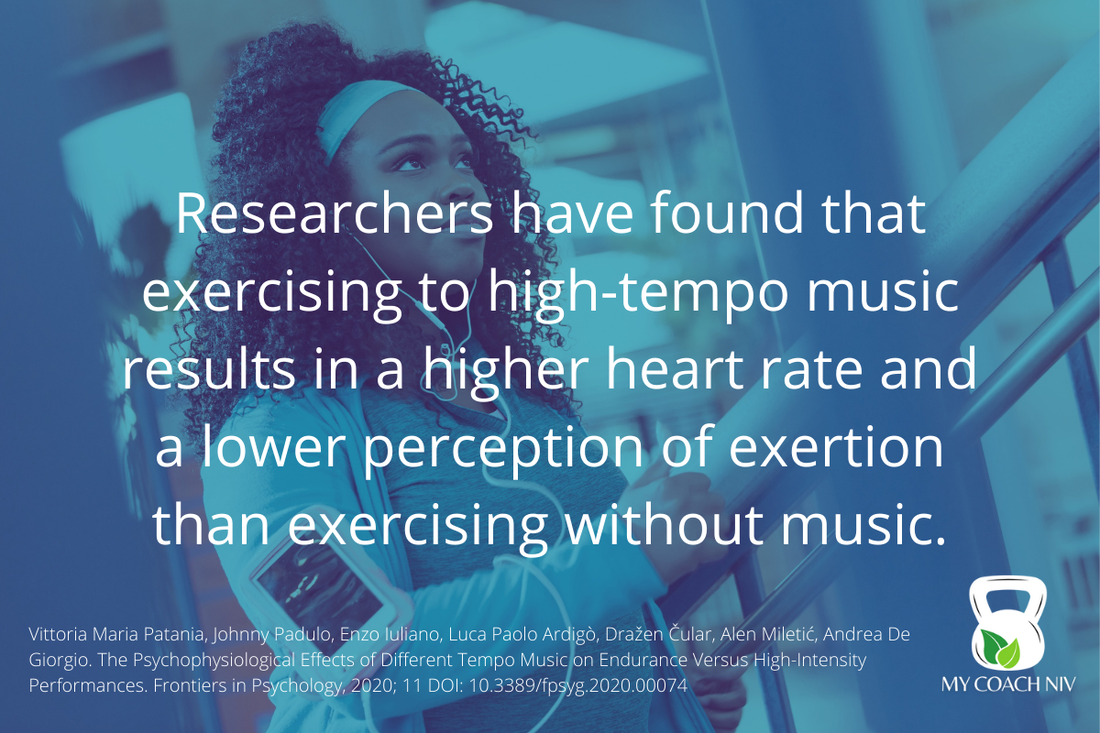 4. Power walking intervals. Interval training is an effective way to lose weight, even when walking. Adding short bursts of speedy power walking to your steady stroll can increase the efficiency of your walk. Try this: Every couple of minutes, speed walk for about thirty seconds. If your heart is pumping and your breathing is slightly labored, you're doing it right. 5. Take the hills. Adding an incline to your walk requires greater recruitment of your gluteal, quadriceps, and core muscles. This increased intensity boosts the amount of energy you expend, turning your walk into a muscle-strengthening, calorie-burning workout. Find some hilly terrain for a hike, or turn up the incline on your treadmill. 6. Take the stairs. Can't find any hills? You can instantly boost the intensity of your walk by finding a set of stairs and going up and down a few times before continuing along your way. 7. Add some calisthenics. Find a park bench or a sturdy, elevated surface and do some push-ups, dips, squats, and lunges. Add some high knees, jumping jacks, or mountain climbers for some high-intensity movement. Bonus points if you do these after a few flights of stairs! 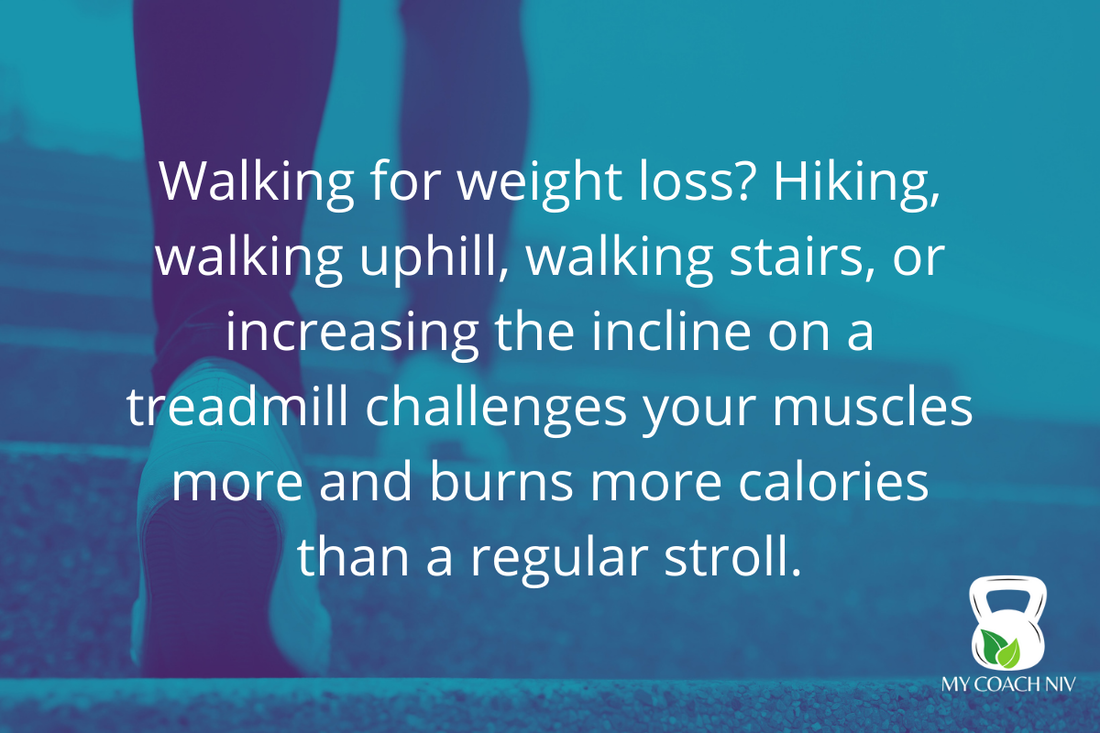 8. Pile on the resistance. Your body weight is likely more than enough to do the job, but if you're looking to really boost the burn, try adding more weight. You can keep it simple with a set of two-pound hand weights, or if you're looking for a real challenge, add a weighted vest.
9. Go backward. Backward movement is becoming more popular thanks to the popularity of the Knees Over Toes Guy. Walking backward can help strengthen the joints and ligaments in your ankles and knees while also hitting muscles that may not get much attention during a regular walk. 10. Make it fun. Having a supportive friend with similar goals can push you to do more than you'd typically do on your own. Grab a buddy and turn your morning walk into a speed walking race! This is also a fun activity to do with a child. Challenge each other to keep up, and your walking session will feel more like playtime than exercise. Remember, the best long-term weight loss plan is to find forms of movement that you love. Don't be afraid to boost the intensity of your walk now and then, but consistency matters more. Taking a simple thirty-minute stroll every day will benefit you much more than a power walk with calisthenics every couple of weeks. If you're looking to find the perfect balance, working with a coach can help you create a fitness plan that works best for you.
While I've tried and enjoyed numerous forms of exercise throughout my weight loss and fitness journey, walking has been the easiest, most consistent, and most reliable way to lose excess fat. It's such a simple and common task that most people don't realize how effective it can be as a weight-loss tool.
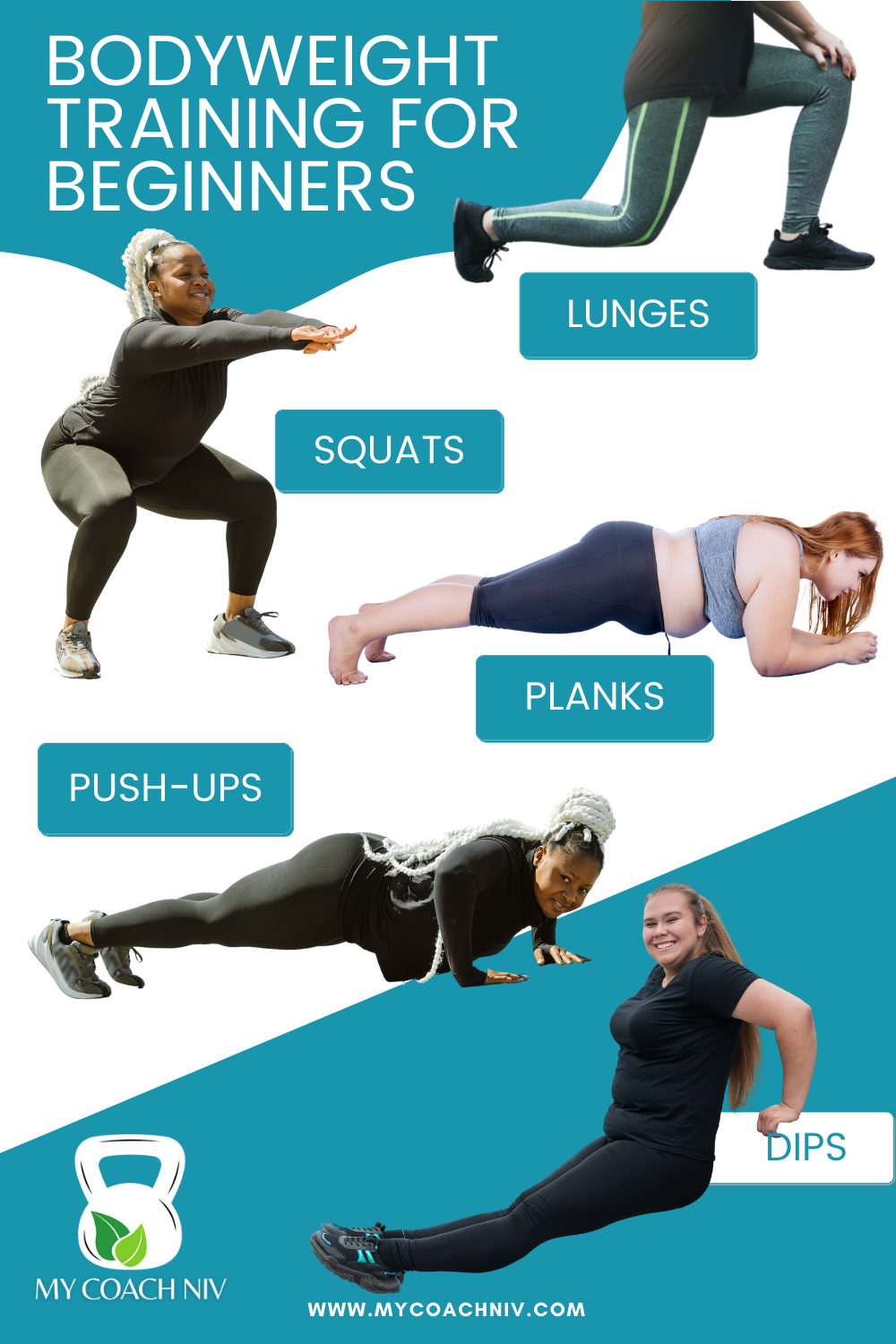
The biggest misconception about exercising is that it must be vigorous and soul-crushing to be effective. This belief often saps people's motivation to exercise before they've even begun. Overzealous and aggressive exercise also leads to injury, as people often earnestly attempt to "go hard" before their body is ready. But there is no need to risk injury to start seeing results. What's important is that you get yourself moving - consciously, mindfully, and frequently - and the easiest way to do this is by walking. So if you've got a lot of weight to lose, don't feel pressured to start running immediately; you can achieve a lot by simply going for a walk. 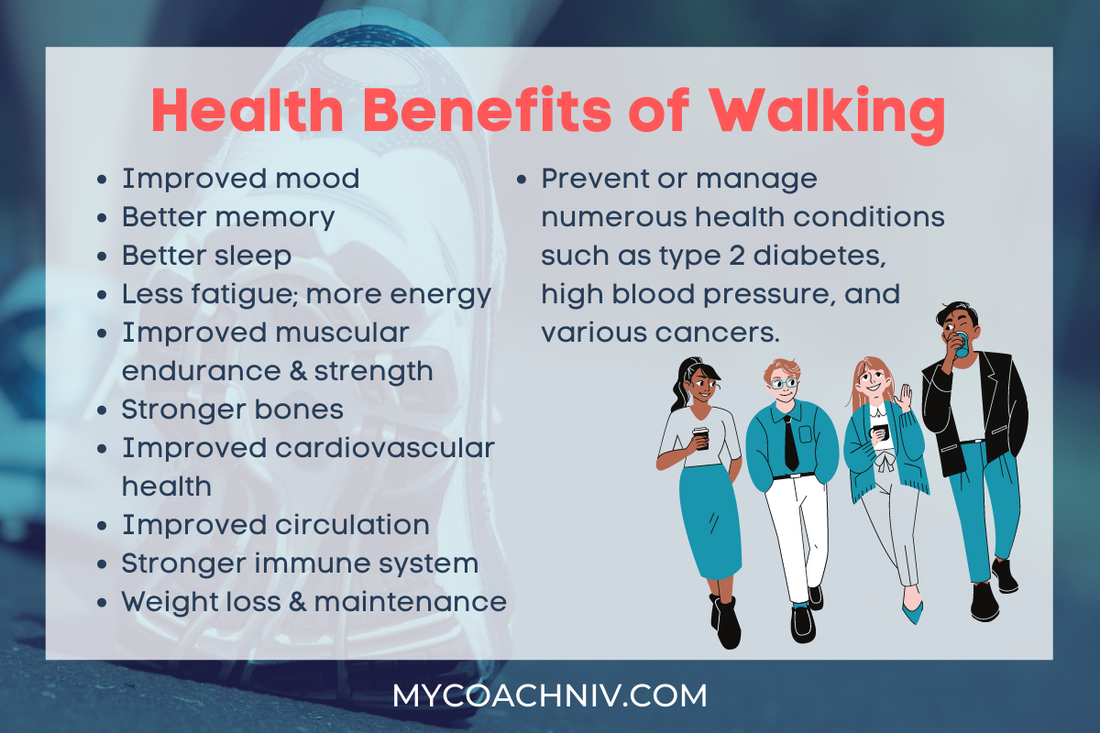
Benefits of Walking for Weight Loss
Walking is easy on the joints.
When many people think of exercise, they envision lacing up a pair of sneakers and going for a run. While running does have its benefits and burns a ton of calories, it isn't the best form of exercise for people whose bodies are just getting off the couch. Running is a high-impact activity that requires good movement patterns and form. If you're carrying extra weight, the impact of running on your joints and ligaments increases exponentially with each pound. It's a good idea to start slow before you begin running. You don't want to develop knee or other joint issues that may sideline you and prevent you from doing any form of exercise. 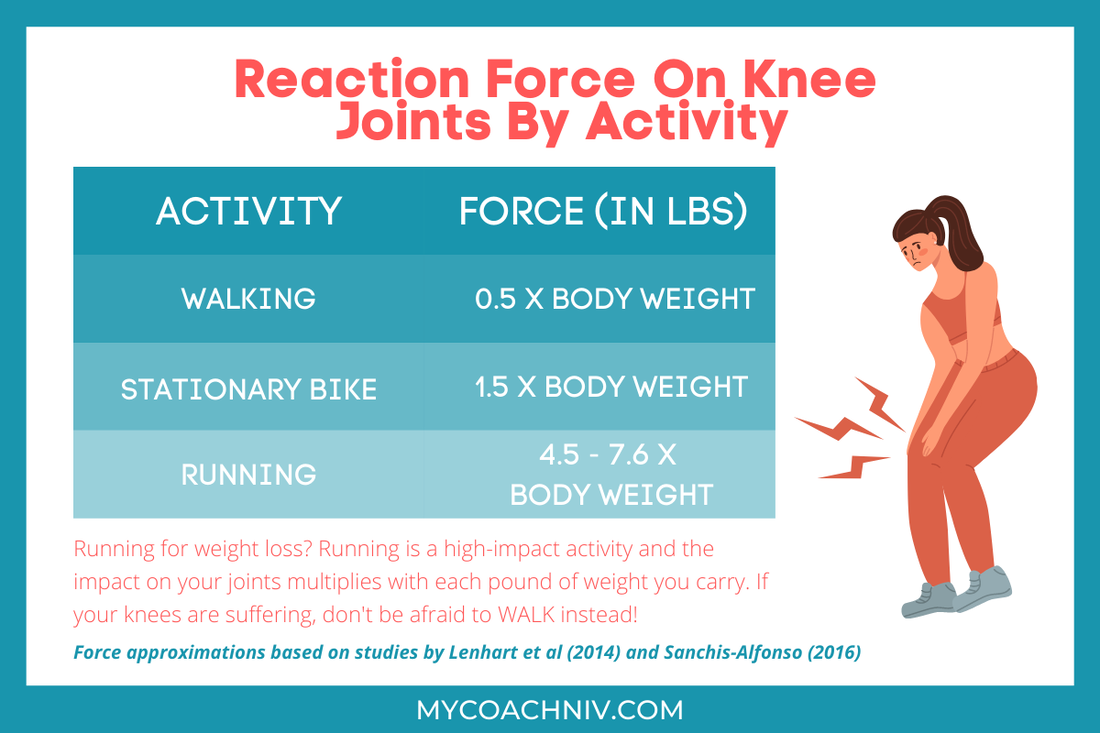
Walking, however, is a low-impact activity that is gentle on the joints and ligaments while still providing a lot of the same benefits as running. The key to sustainable weight loss is longevity; you're more likely to find success with the exercise you can keep doing for years and years, not the one that leaves you achy and injured. If running is truly what your heart desires, then walking is the perfect starting point for building a foundation that can allow you to run with a lesser chance of injury in the future.
Walking increases energy expenditure (burns calories). Not all calories are created equally, and weight loss is more complicated than "calories in vs. calories out." But it's nearly impossible to lose weight if you're taking in more energy (in the form of food) than you're expending through daily movement and exercise. Walking is an easy, painless way to increase your overall metabolic rate or the amount of energy you use daily. Of course, the specific numbers will vary from person to person as each body is different, but the basic rule still applies - and it doesn't have to be complicated. It can be as easy as a daily 30-minute brisk walk. One study followed adult women for 15 years and found that those who walked more gained less weight and were more likely to lose or maintain weight than those who didn't walk. The walkers gained a pound less each year per half-hour walked each week. Walking to stave off weight loss was especially effective for the women participants who were heavier at the beginning of the study. The specific amount of calories you burn during your walk depends on several factors such as your body weight, your speed, how long you walk, inclines, and more. But you don't need to worry about the numbers. The general rule is that the more intense the walk, and the more frequently you walk, the more effective it will be at helping you lose weight.
Walking enhances your regular exercise regimen.
Weight training is an effective way to build lean muscle and improve body composition, making it crucial for any healthy weight loss plan. Many fitness trainers create weight loss programs that combine weight training with intense forms of cardio, and while this can be pretty effective, it often leaves clients feeling exhausted and burned out. However, when lifting weights is combined with walking, you can experience excellent results with less pain. Not only does a daily walking habit add to your overall metabolic rate, but it does so without putting extra strain on your muscles, so you can easily do both. It isn't as exhausting and taxing on your nervous system as more intense forms of cardio. Walking also helps your muscles recover by boosting blood circulation, so it's a win-win. Walking doesn't make you ravenously hungry. If you've ever done a weight loss program where you exercised aggressively while also eating less, you know how tormenting that feeling of hunger can be. Some people find themselves overcompensating and accidentally eating more in response to an increased appetite which can slow or prevent weight loss. Walking, however, can help you burn calories without struggling against that desperate feeling of hunger. One study on young men found that even an hour-long brisk walk did not boost appetite. Despite what one would expect, there was no increase in ghrelin, the hunger hormone, nor did the participants feel hungrier or eat more throughout the day. Personally, my daily hour-long walks don't boost my appetite, making it easier to resist the urge to overeat. Walking With Good Form
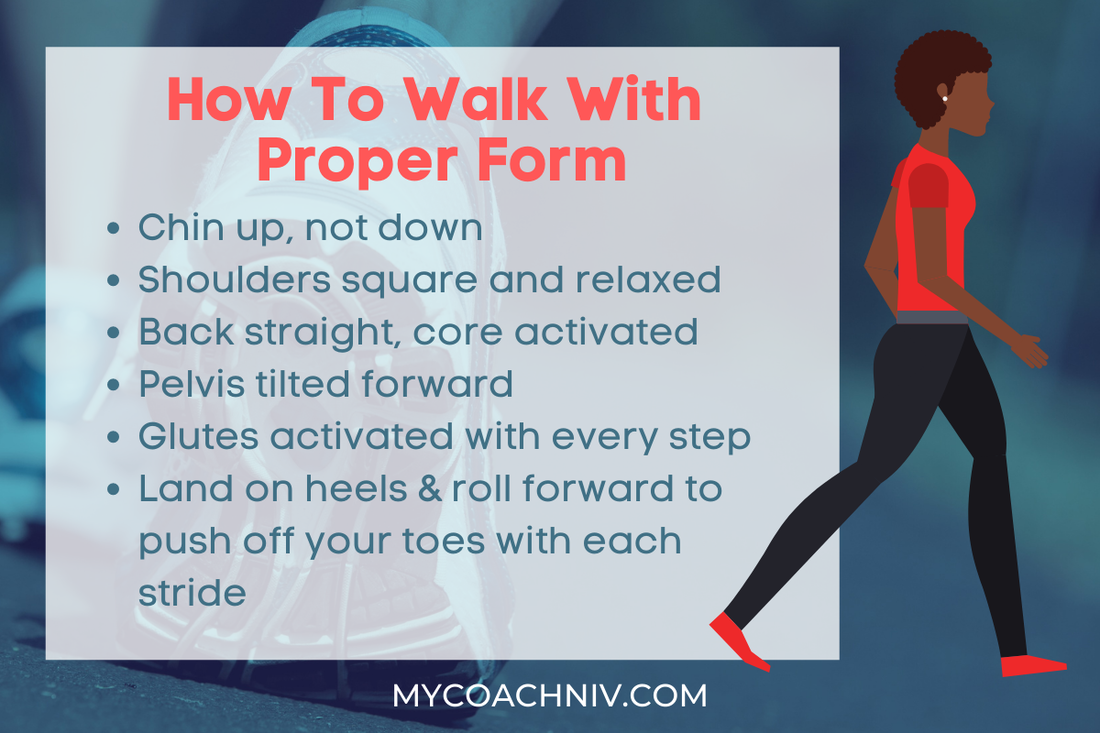
Walking may seem like a pretty intuitive task since we all do it every day, but it's essential to have good form to get the most out of your walking routine. These days, most of us spend several hours each day sunken into chairs and hunched over phones and computer screens, which weakens muscles in our glutes, hips, back, and core. It's important to ensure that you aren't unintentionally carrying poor posture into your exercises. Here's what you should pay attention to while walking:
When's The Best Time To Go For A Walk?
The way you structure your walking routine is really up to you. Your daily movement should enhance your overall day rather than being a burden, so don't try to force something that doesn't work with your lifestyle.
Maybe you'd enjoy hour-long nature walks in the morning or walks around the neighborhood during your lunch break. Or perhaps you'd rather get your steps in on a treadmill in your garage or at the gym after work. If you have a busy schedule and can't fit in long walks, you may find it easier to do multiple 10-minute walks throughout your day. Or, maybe you'd rather just move as much as possible throughout your day while tracking your steps on a watch or an app. Integrating your walking routine into your schedule and customizing it for your lifestyle is key to making it a part of your daily life for the long term. How Much Walking Is Necessary For Weight Loss?
Remember, each person is unique. What's necessary for one person may not work for another due to differences between them, such as genetics, diet, living environment, and other forms of activity they may be doing throughout the day. People also have different goals that will require different levels of effort.
While it's often recommended to aim for upwards of 10,000 steps per day, you can still reap health benefits with fewer steps. Even just 5,000 steps per day can be beneficial, especially if you're already participating in other forms of exercise. In fact, pushing yourself to walk more than 10,000 steps per day can cause more harm than good. You can be flexible because walking is a fairly low-impact activity that you can easily incorporate throughout your day. Start with what you can do, and increase how much and how often you walk each day. If you remain consistent and aren't eating in excess, you're bound to see results. If you're being consistent with your walking but still not seeing results, there are several things you can do, such as increasing the intensity of your walks or making changes to your diet. Working with a fitness and nutrition coach can help you develop a customized weight loss plan to suit your schedule and your body's specific needs. How To Enhance Your Walking Experience
Having an exciting, enjoyable, and soul-nourishing walking routine makes you much more likely to incorporate it into your daily lifestyle. Here are some ways to turn a boring walk into the part of the day you'll look forward to:
A Complete Weight Loss Plan
Walking is a great way to kick start and maintain weight loss, but it's only one part of the equation. While it's feasible to lose weight by adding daily walks to your routine, you'll likely have to change some of your eating habits to see results. But this doesn't mean that you need to go on a deprivation diet. Reducing fast food, processed food, and fried food in your diet and replacing those foods with whole, unprocessed foods is one way to reduce your caloric intake without counting calories.
Strength training (aka weight or resistance training) a few times per week can also help burn calories while increasing muscle, building bone strength, and boosting your metabolic rate. You don't have to train like a bodybuilder or a powerlifter. You can build strength with a single kettlebell, a set of resistance bands, a yoga practice, or some bodyweight calisthenics. When weight training is combined with walking and a balanced, nutritious diet, weight loss becomes more achievable and sustainable. Coming up with a complete weight loss plan may seem daunting, but it doesn't have to be. Gradually making changes by adopting one new habit at a time is the key to building a sustainable, healthy lifestyle. Spending some time working with a certified coach can help you create a long-term nutrition plan and fitness routine while guiding you through the changes. Customize Your Walking Routine & Be Consistent
Losing weight doesn't have to be complicated or painful. Rather than focusing on a number on the scale, first, focus on moving your body more regularly. Walking is an excellent way to do this and can serve as a starting point for building a more robust fitness routine as time goes on.
Remember: consistency is key. Find a distance and pace that's manageable for you, and do it as often as you can. And most importantly, don't forget to make it fun! Eventually, not only will you lose weight, but you'll also experience many improvements in your overall health and well-being. Want to get more out of your walk?
|


|
|
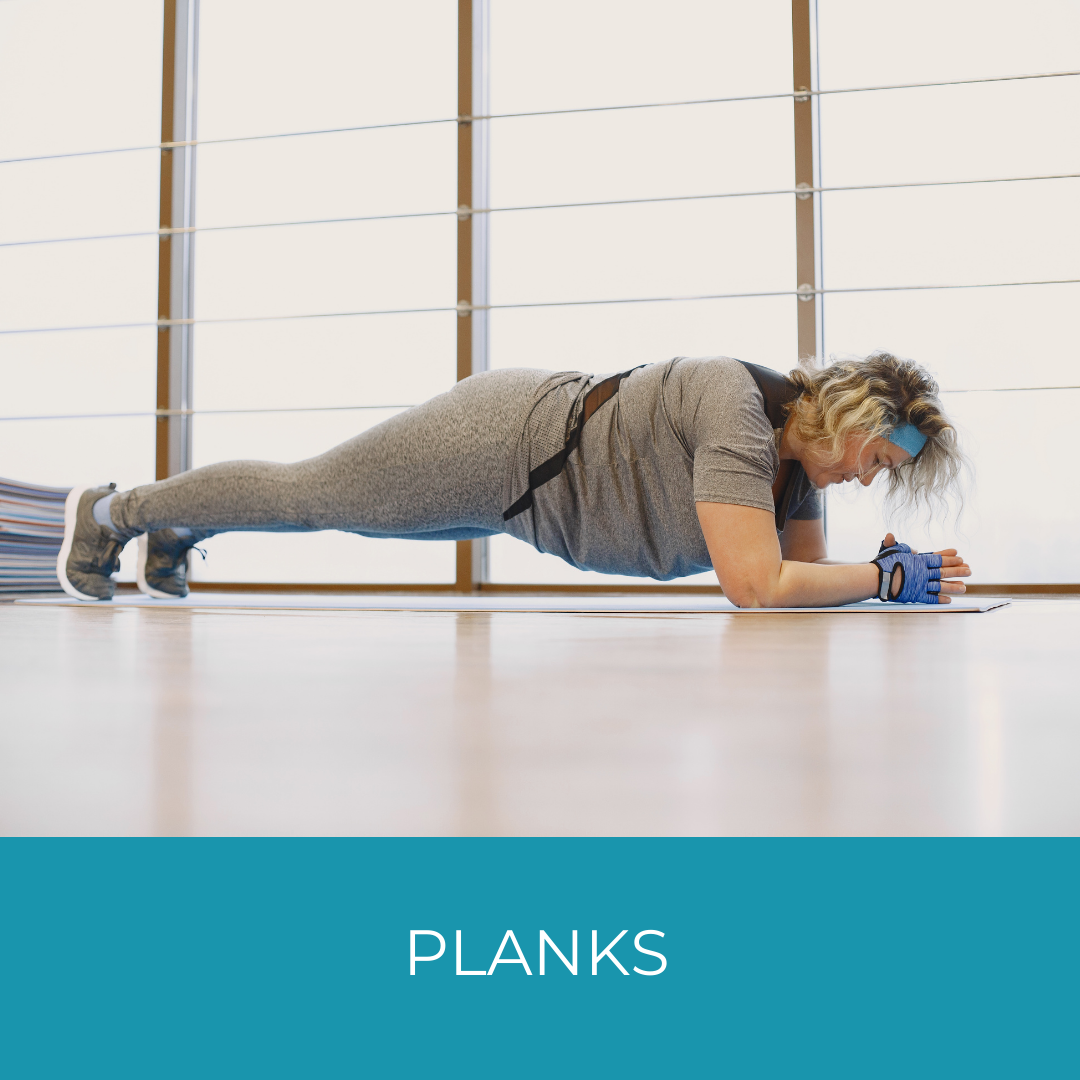
Planks
|
|
|
|
|
|
|
|
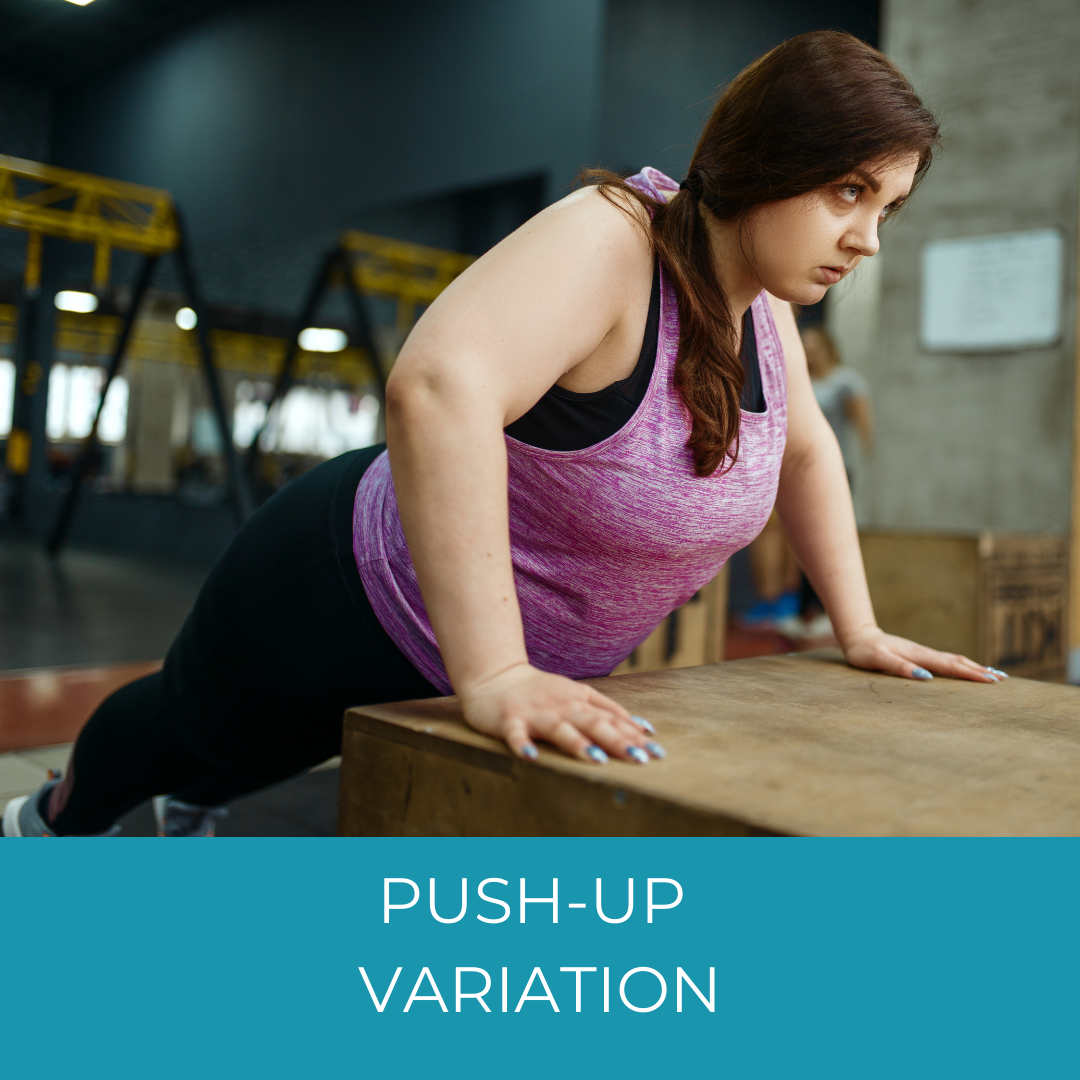
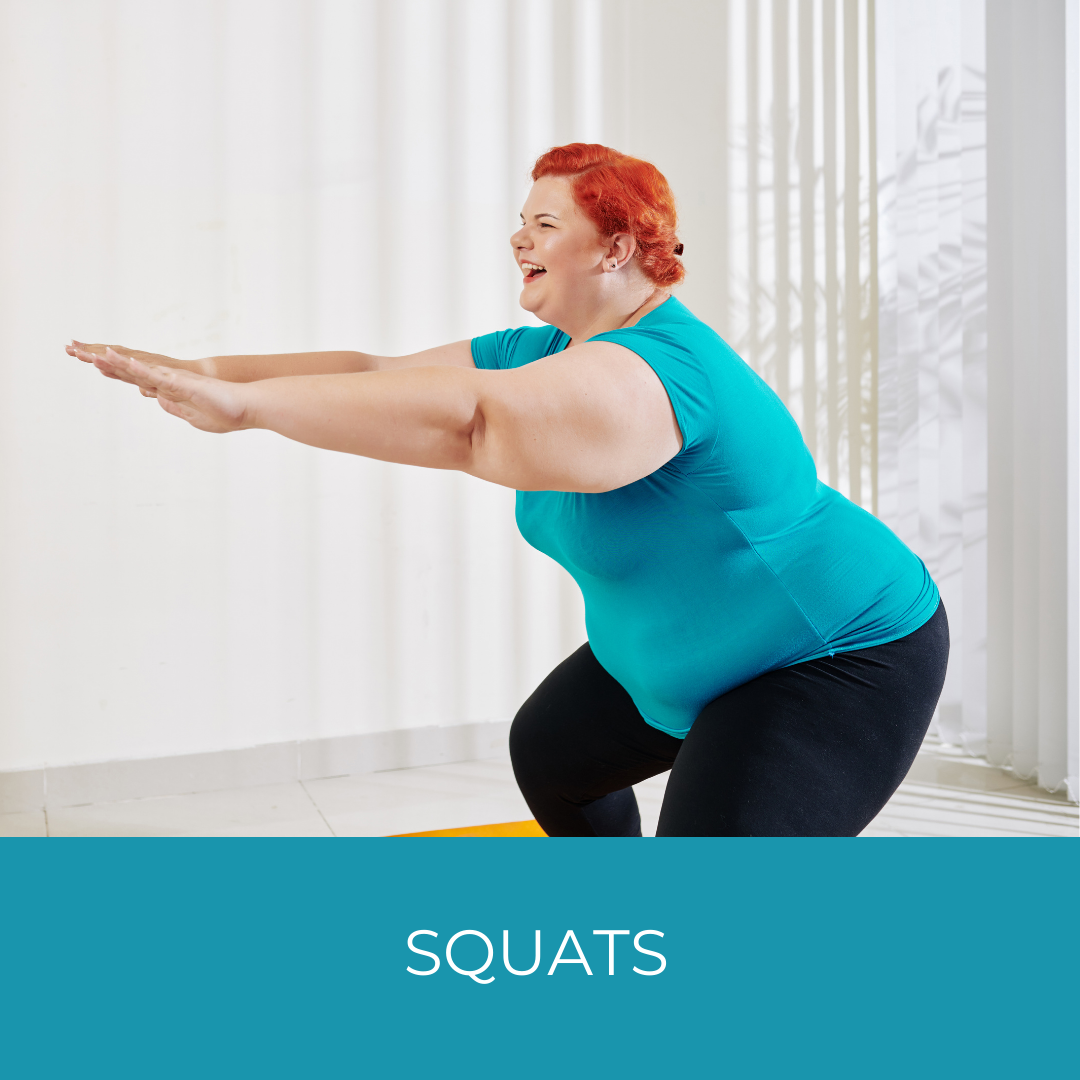
Getting used to moving your body weight is especially important if you've been spending a lot of time on the couch or sitting at a desk. Some muscles may become inactive, while others become overactive. Resistance training with your body weight can help "wake up" muscles you aren't otherwise using. Your muscles, connective tissues, and nervous system will benefit from practicing proper movement patterns. Bodyweight exercises are also great warmups for your weight training workouts.
Weight Training At Home
There are various tools available to you if you're getting started with weight training at home. The equipment you decide to use will depend on your preferences and budget. Keep in mind that you don't need to purchase an entire gym's worth of equipment at once. You can always start small and build up a modest home gym over time.
Dumbbells
The most basic pieces of weight training equipment are dumbbells. Dumbbells are pieces of solid iron tubes with weights on each end. They can be found as bare metal or coated with rubber or neoprene, a synthetic rubber. These coated dumbbells tend to be lighter and colorful, making them perfect for the home.
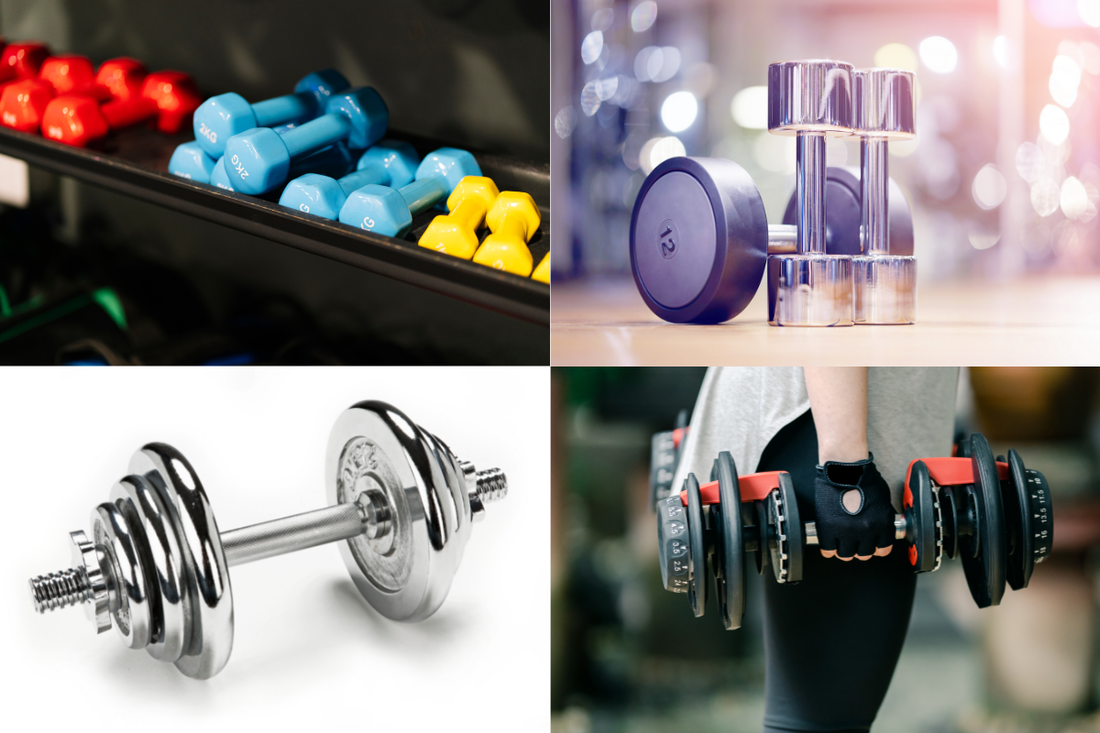
Adjustable dumbbells can be found in several varieties, from small metal tubes with weights that can be screwed on and off to larger, more complicated sets. These are great for workouts that require different weights for different movements.
It's best to purchase dumbbells in pairs, one for each hand. The benefits of dumbbells are that they're easy to use and quite versatile. Buying two sets of dumbbells about 5-10 pounds apart is a great place to start.
However, as you become stronger, you'll require more and more pairs of dumbbells to continue seeing progress, which can strain your budget. It can also be an issue if you live in an apartment or are limited in space. For these scenarios, investing in a pair of adjustable dumbbells can be a great solution.
It's best to purchase dumbbells in pairs, one for each hand. The benefits of dumbbells are that they're easy to use and quite versatile. Buying two sets of dumbbells about 5-10 pounds apart is a great place to start.
However, as you become stronger, you'll require more and more pairs of dumbbells to continue seeing progress, which can strain your budget. It can also be an issue if you live in an apartment or are limited in space. For these scenarios, investing in a pair of adjustable dumbbells can be a great solution.
Kettlebells are solid cast-iron weights shaped like a sphere with a handle on top. The weight sits directly underneath the handle instead of evenly distributed on opposite sides like a dumbbell. Like dumbbells, they can be found in a wide range of weights, from very light (less than 10 pounds) to very heavy (over a hundred pounds and more).
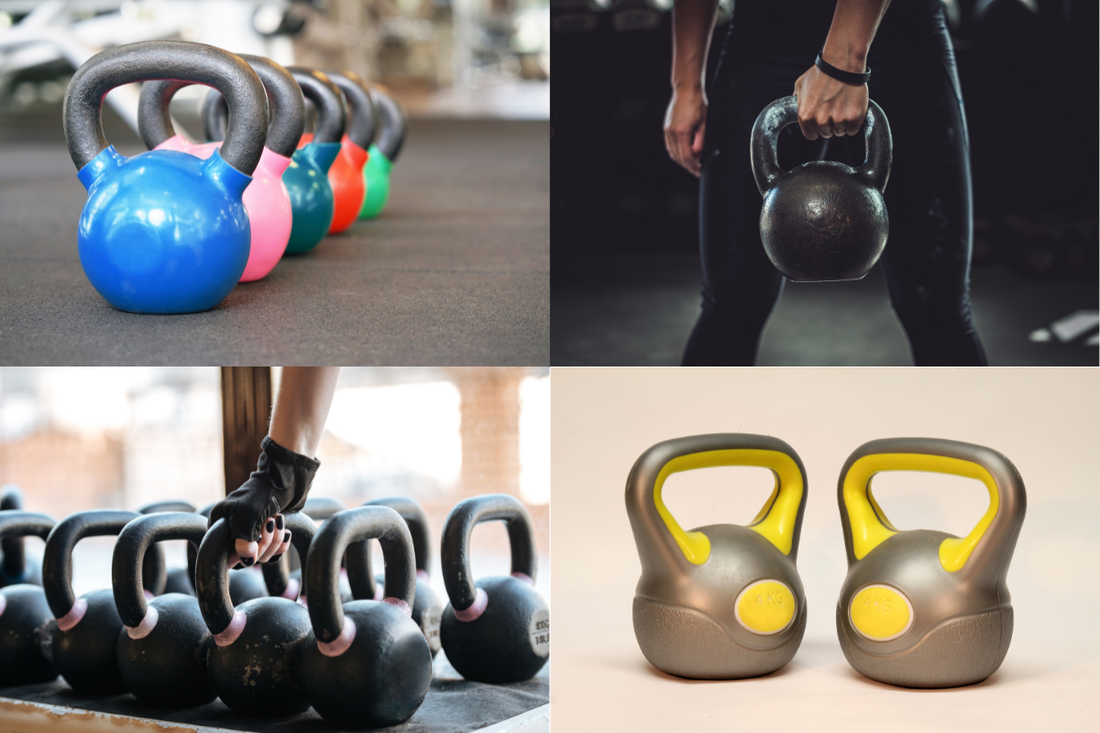
Kettlebells are incredibly versatile tools that you can use to build strength, endurance, and power. Kettlebells have an advantage against dumbbells with their ability to perform more ballistic exercises such as swings, cleans, and snatches.
You'll also progress less slowly as it takes a bit longer to adapt to the off-center weight distribution of the bell. Because of this, you can accomplish a lot with just one or two kettlebells before you need to buy bigger weights. And while there are plenty of double kettlebell workouts that you can do, you don't need to purchase kettlebells in pairs to get a great workout.
Kettlebells are an excellent tool for weight loss because you can get more bang for your buck. They're great for muscle strengthening exercises but can also add a hefty dose of cardio into your workout sessions with ballistic movements.
You'll also progress less slowly as it takes a bit longer to adapt to the off-center weight distribution of the bell. Because of this, you can accomplish a lot with just one or two kettlebells before you need to buy bigger weights. And while there are plenty of double kettlebell workouts that you can do, you don't need to purchase kettlebells in pairs to get a great workout.
Kettlebells are an excellent tool for weight loss because you can get more bang for your buck. They're great for muscle strengthening exercises but can also add a hefty dose of cardio into your workout sessions with ballistic movements.
Resistance Bands
Resistance bands are another great solution for people who are short on space. These bands come in varying weights that can neatly fold and store away. They're also an excellent option for travel as they can be brought and used pretty much anywhere.
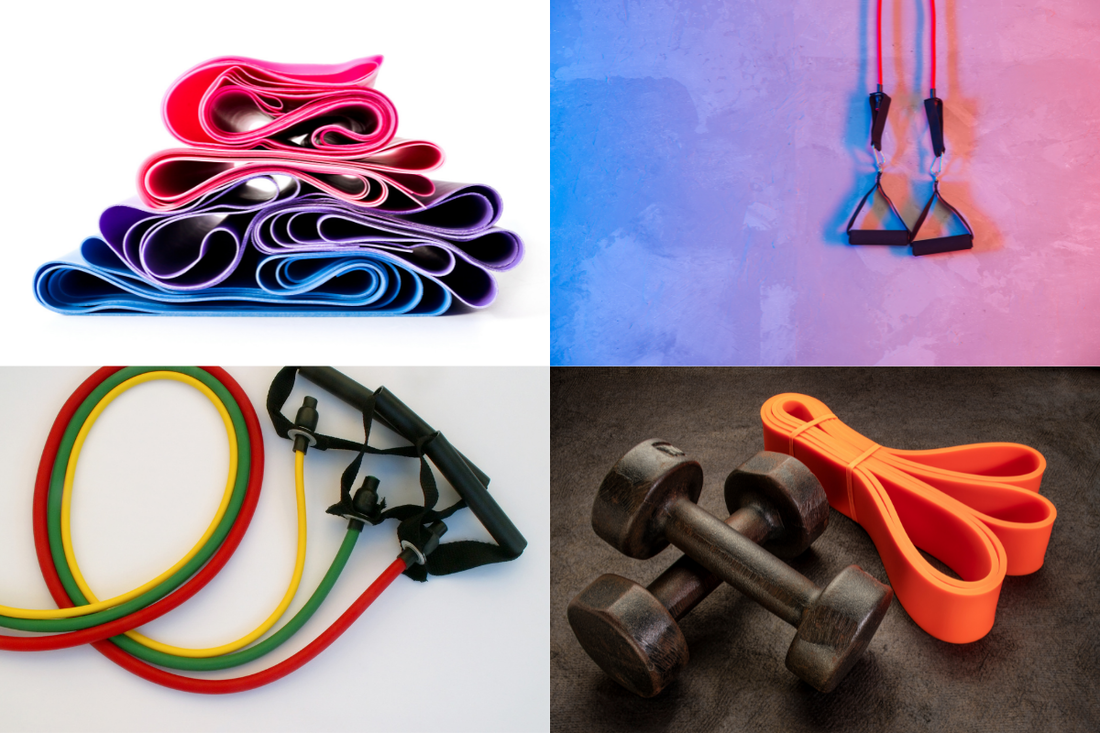
Flat resistance bands (also called loop bands) are one continuous circle used for exercises like banded squats and bridges. There are also thicker, larger bands of heavier weights that are often used with and without free weights for some types of squats, deadlifts, and other movements.
Tubular resistance bands are long, hollow tubes with handles attached to the ends. These handles are often detachable and can be replaced with special attachments such as bars and ankle straps, allowing for a broader range of exercises.
Tubular resistance bands are long, hollow tubes with handles attached to the ends. These handles are often detachable and can be replaced with special attachments such as bars and ankle straps, allowing for a broader range of exercises.
Ankle Weights, Wrist Weights & Weighted Vests
As mentioned above, bodyweight exercises are a perfectly valid way to begin weight training, as your muscles still have to put in work to move your body. But if those bodyweight exercises aren't feeling like enough, you can always make yourself heavier with ankle and wrist weights.
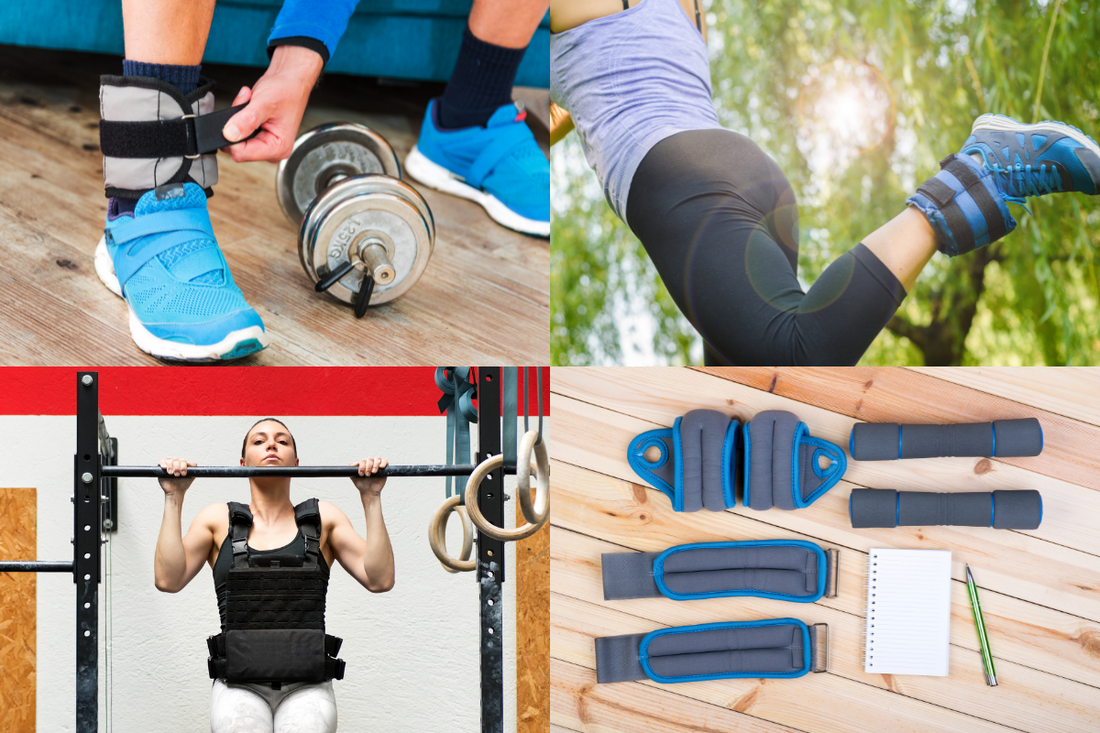
While ankle and wrist weights aren't as heavy as free weights such as dumbbells and kettlebells, they're a great way to boost calorie burn while doing lesser-impact movements such as walking or doing chores around the house.
Weighted vests are another way to increase your body weight resistance. You can add or remove weights to the vest to adjust the resistance to your liking. Short on cash? Try taking an empty backpack and filling it with a few moderately heavy items before your next walk. You'll burn more calories while also putting your core to work.
Weighted vests are another way to increase your body weight resistance. You can add or remove weights to the vest to adjust the resistance to your liking. Short on cash? Try taking an empty backpack and filling it with a few moderately heavy items before your next walk. You'll burn more calories while also putting your core to work.
Weighted Cardio Equipment
Getting fit should always be an enjoyable endeavor, and what's more fun than some of our favorite childhood toys? Weighted hula hoops and jump ropes can take joyful movement to a whole new level. Hula hooping with weighted hoops can offer a low-intensity core and cardio workout, a great supplement to your heavier weight training sessions. Weighted hoops come in pieces that can be quickly snapped together and taken apart for convenience.
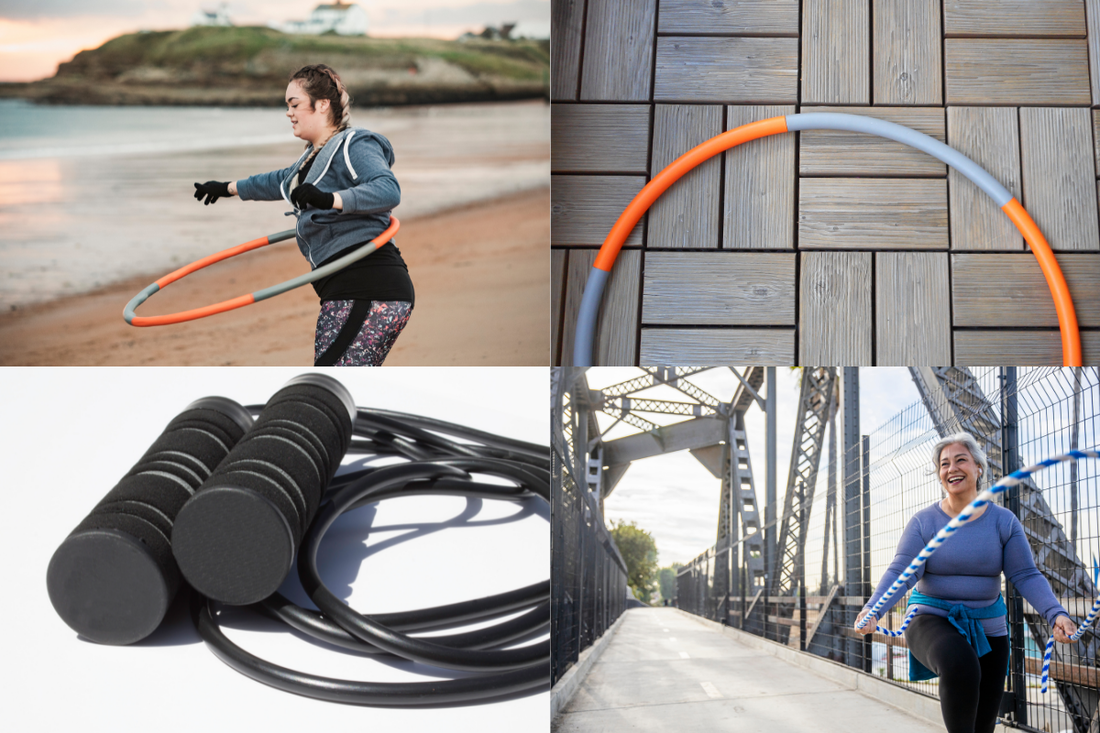
Jumping rope is an excellent cardio exercise that can help you burn lots of fat while requiring less intensity and putting less stress on your joints than running or jogging. You can get the most out of your weight training sessions by ending with a set of jump rope intervals.
But you can also take jumping rope to the next level by using weighted or heavy ropes. The resistance in these ropes recruits more muscles, allowing for a strengthening, fat-burning workout. Jump ropes are also a portable tool you can take outside to a park or even on vacation.
But you can also take jumping rope to the next level by using weighted or heavy ropes. The resistance in these ropes recruits more muscles, allowing for a strengthening, fat-burning workout. Jump ropes are also a portable tool you can take outside to a park or even on vacation.
Weight Training At The Gym
At the gym, you will have access to a wide range of equipment that may not be feasible or cost-effective to buy for your home. Depending on the gym, it may make more sense for your budget and lifestyle to pay for a monthly membership instead.
Having access to a squat rack, barbells, heavy weights, and a wide variety of cable machines can be a game-changer for your weight training routine, but you can still achieve your fat loss goals without them.
Commercial gyms also have a reputation for becoming too crowded during "rush hours," such as during lunchtime or right after work. If time is of the essence for you, finding a less-crowded gym or working out at home may be better for your lifestyle.
Having access to a squat rack, barbells, heavy weights, and a wide variety of cable machines can be a game-changer for your weight training routine, but you can still achieve your fat loss goals without them.
Commercial gyms also have a reputation for becoming too crowded during "rush hours," such as during lunchtime or right after work. If time is of the essence for you, finding a less-crowded gym or working out at home may be better for your lifestyle.
Best Weight Training Exercises For Fat Loss
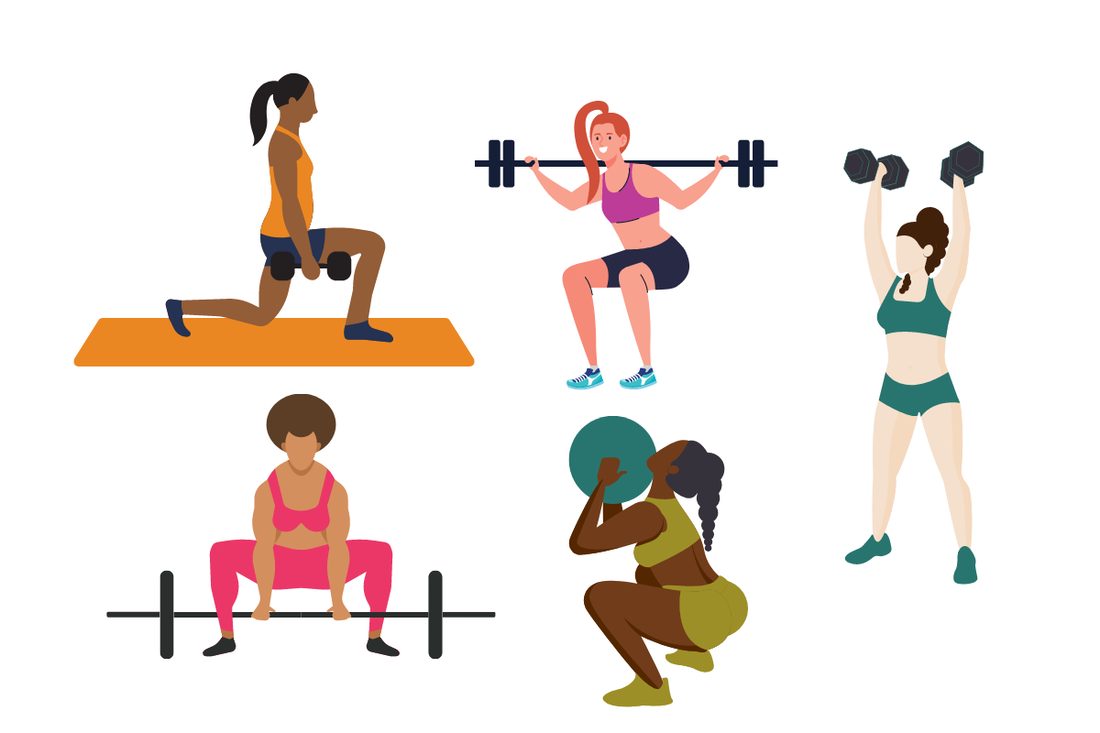
Once you're ready to start incorporating weights into your exercises, you'll want to remain focused on fundamental compound movements. Compound movements help boost calorie burn while building strength and muscle. You'll also reap other additional benefits, such as improving your balance and coordination.
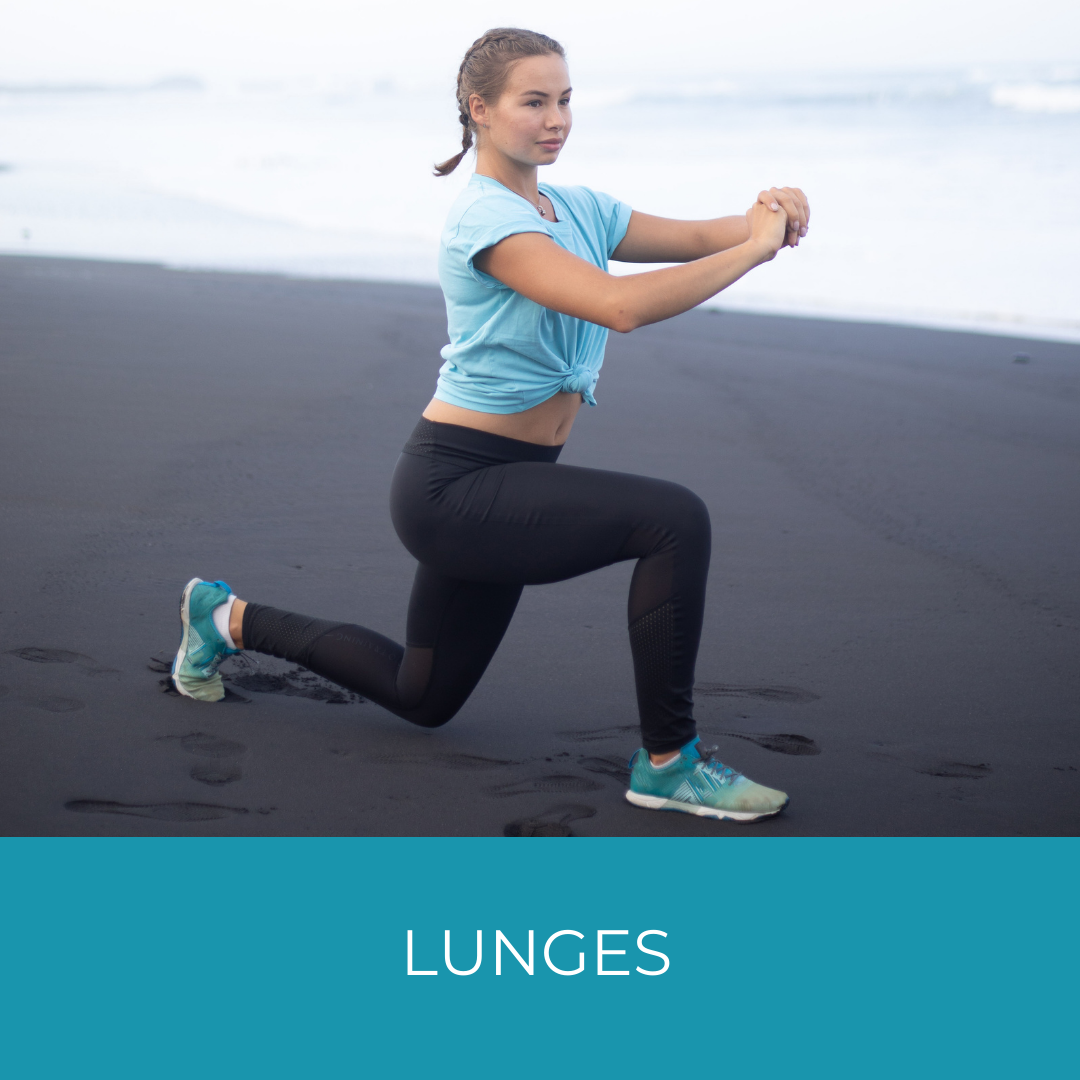
Here are some of the foundational compound weight training movements to add to your workouts. Each of these moves has countless variations and can be done using the weight training equipment of your choice. Schedule a session with a fitness professional for assistance in properly performing each of these movements with the tools you have available.
Here are some of the foundational compound weight training movements to add to your workouts. Each of these moves has countless variations and can be done using the weight training equipment of your choice. Schedule a session with a fitness professional for assistance in properly performing each of these movements with the tools you have available.
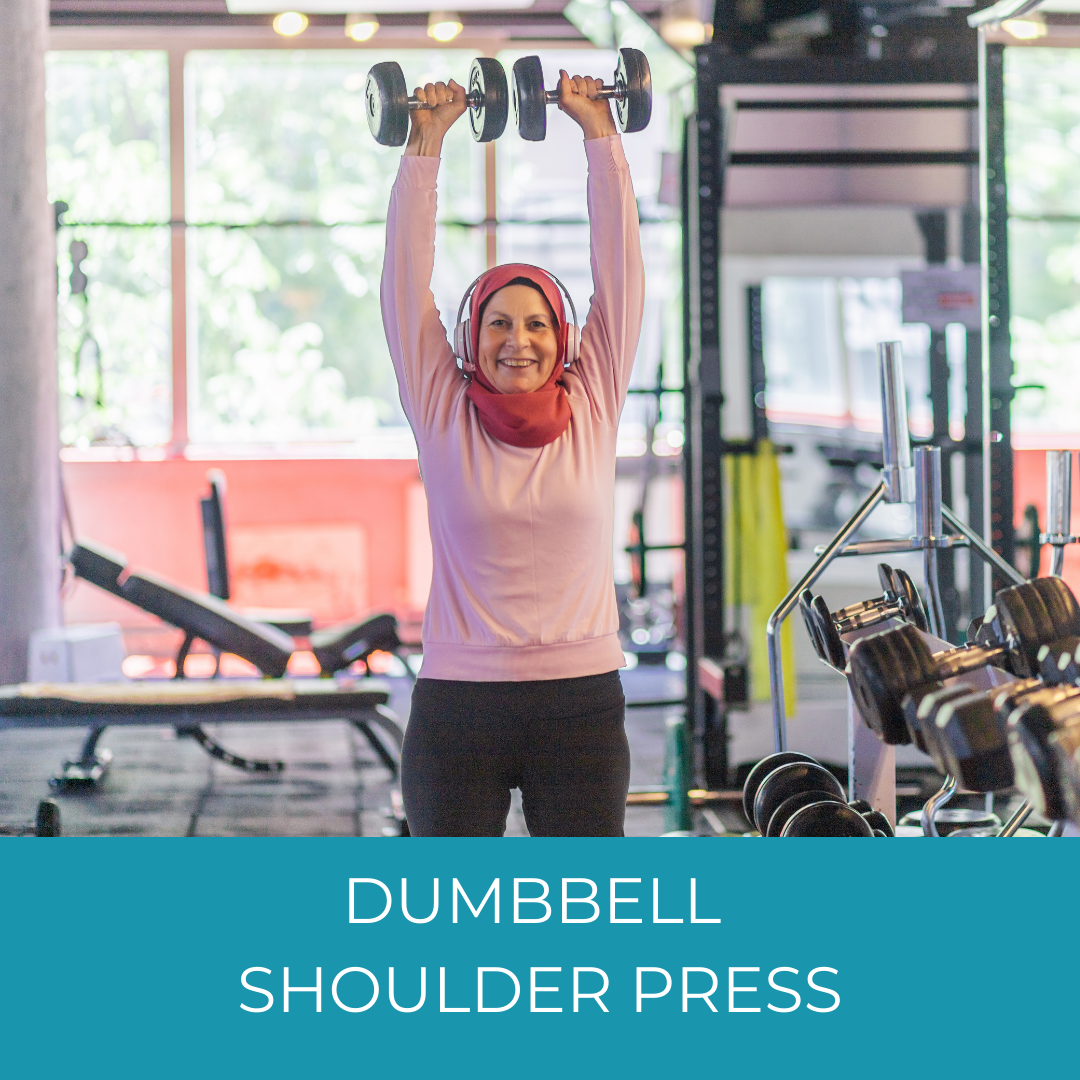
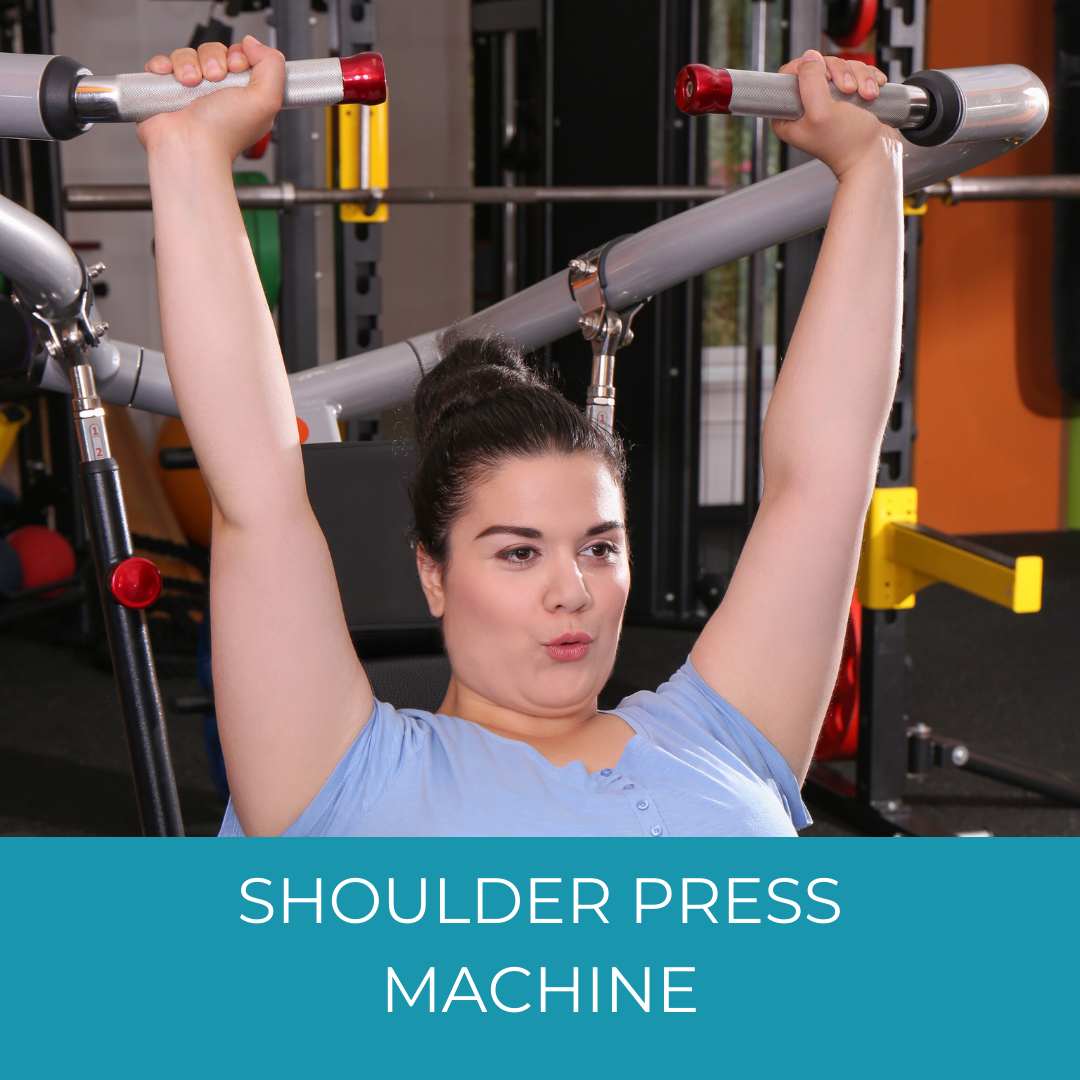
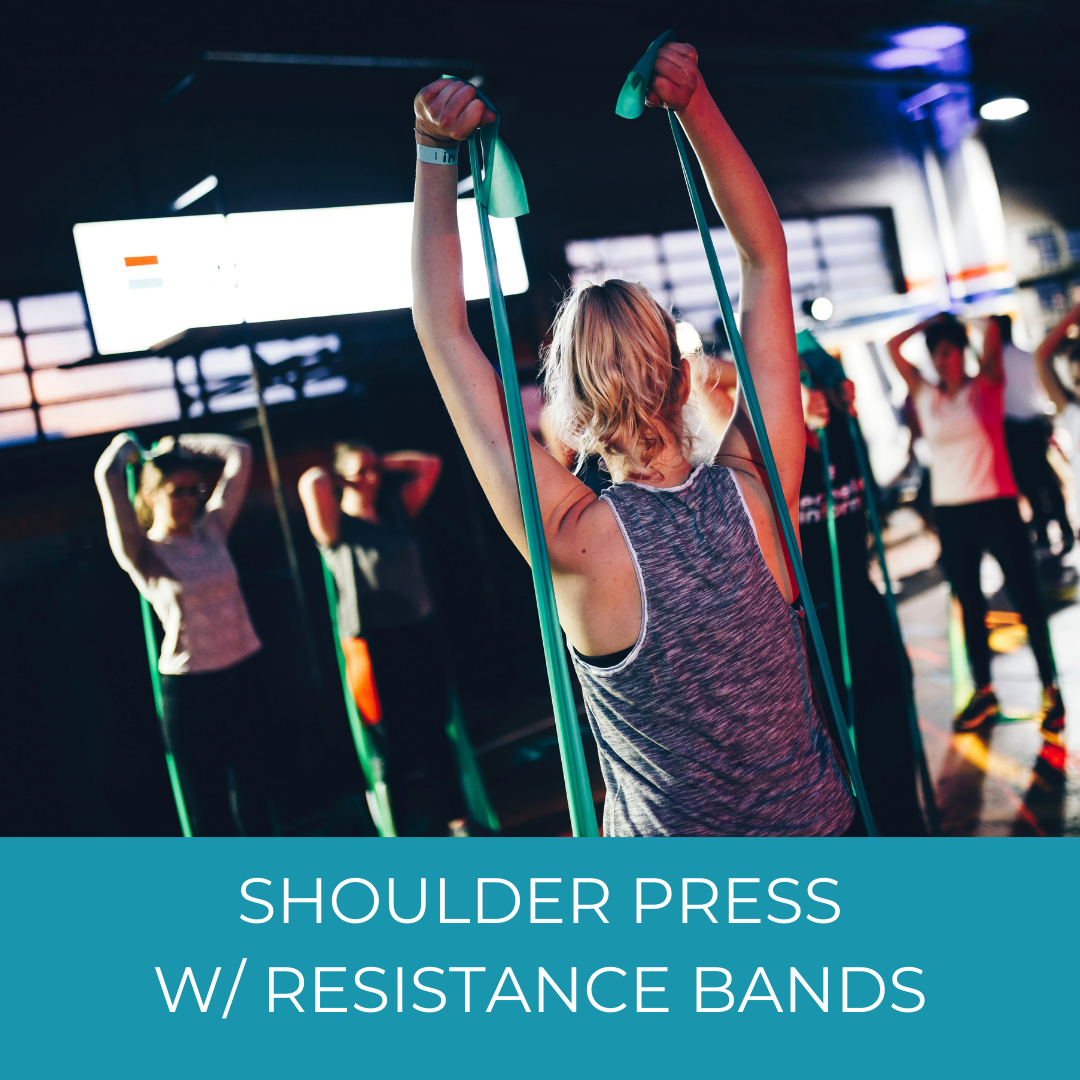
Overhead/Shoulder Press Examples
Muscles Worked: Anterior & Lateral Deltoids, Triceps, Trapezius
|
|
|
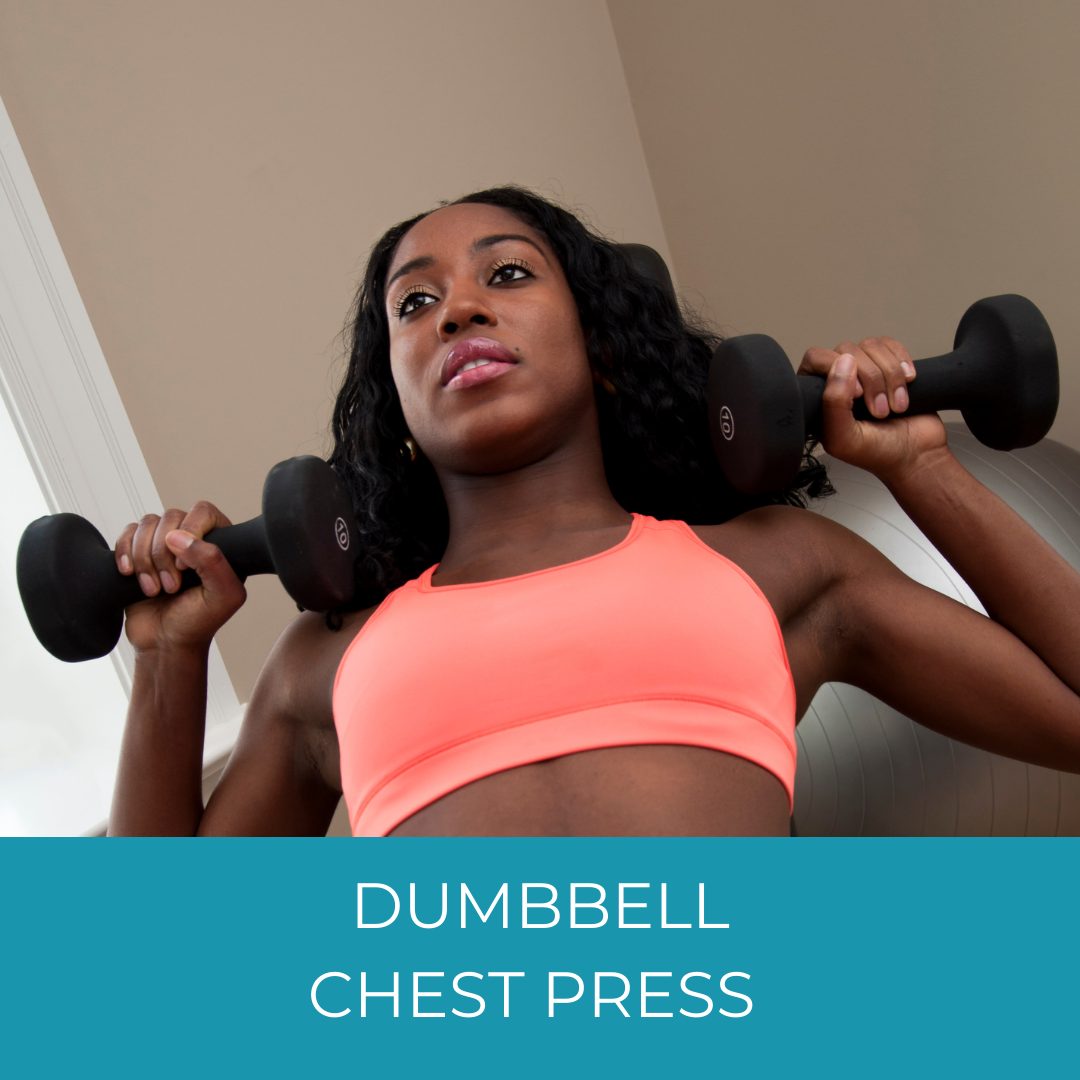
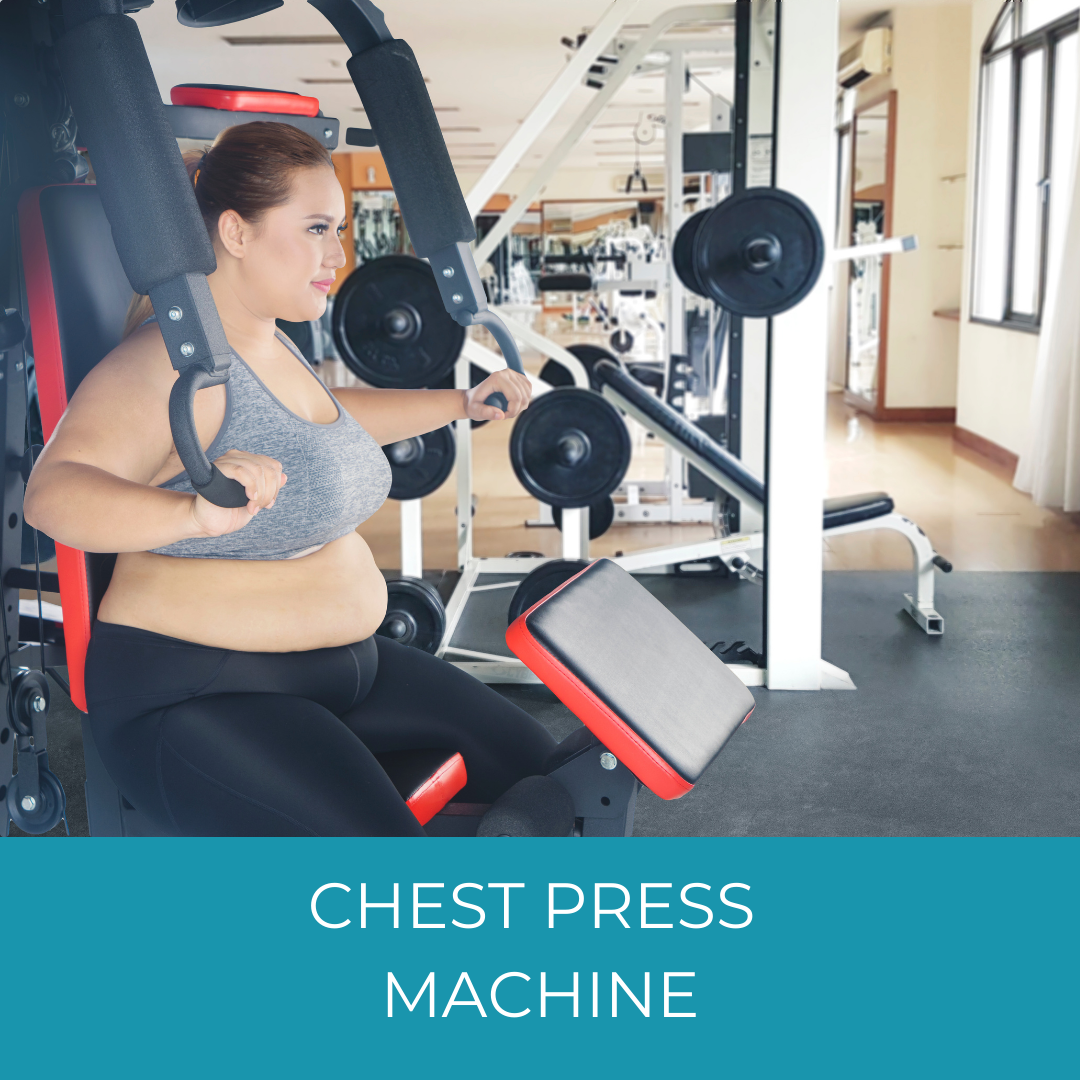
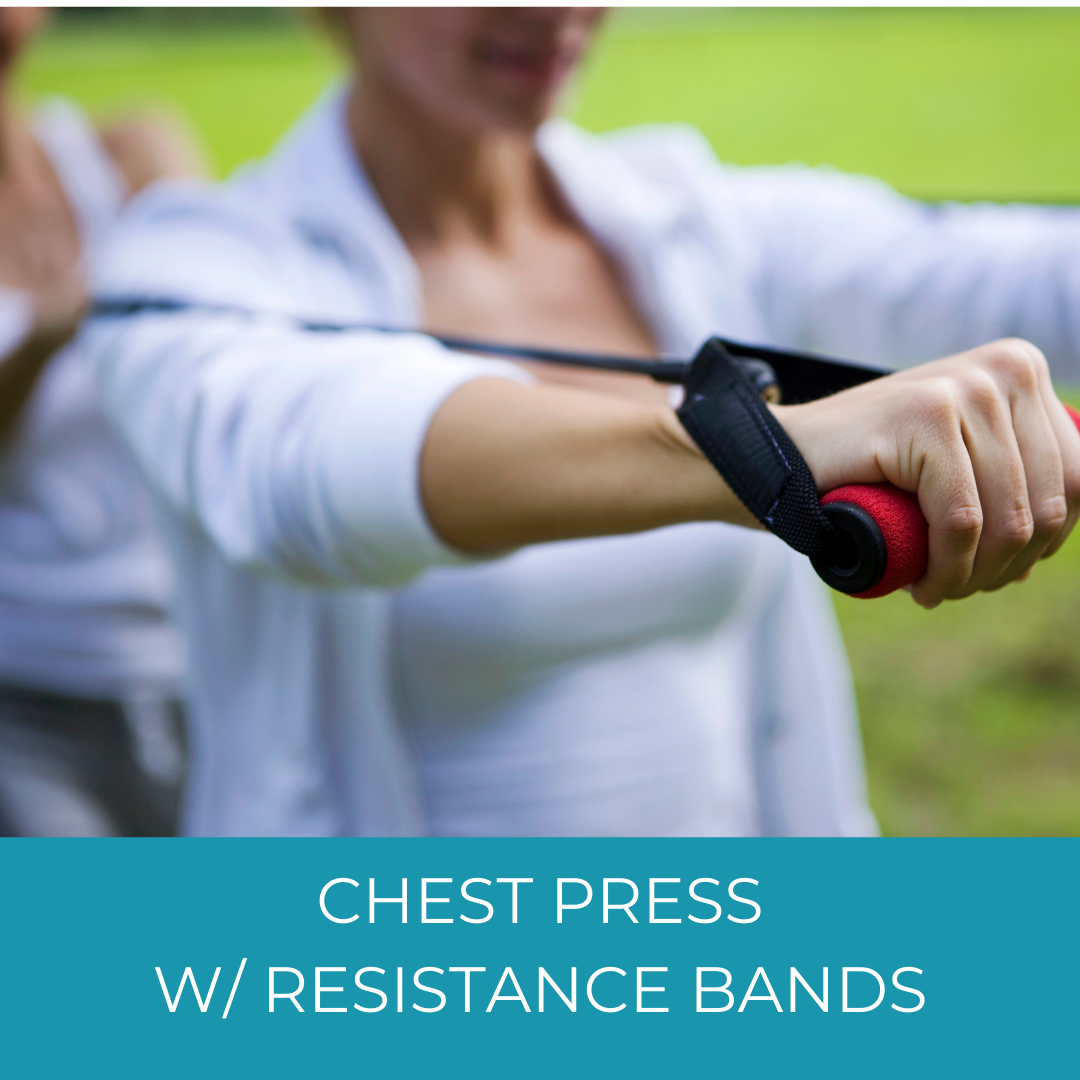
Chest Press Examples
Muscles Worked: Pectoralis, Anterior Deltoids, Triceps
|
|
|
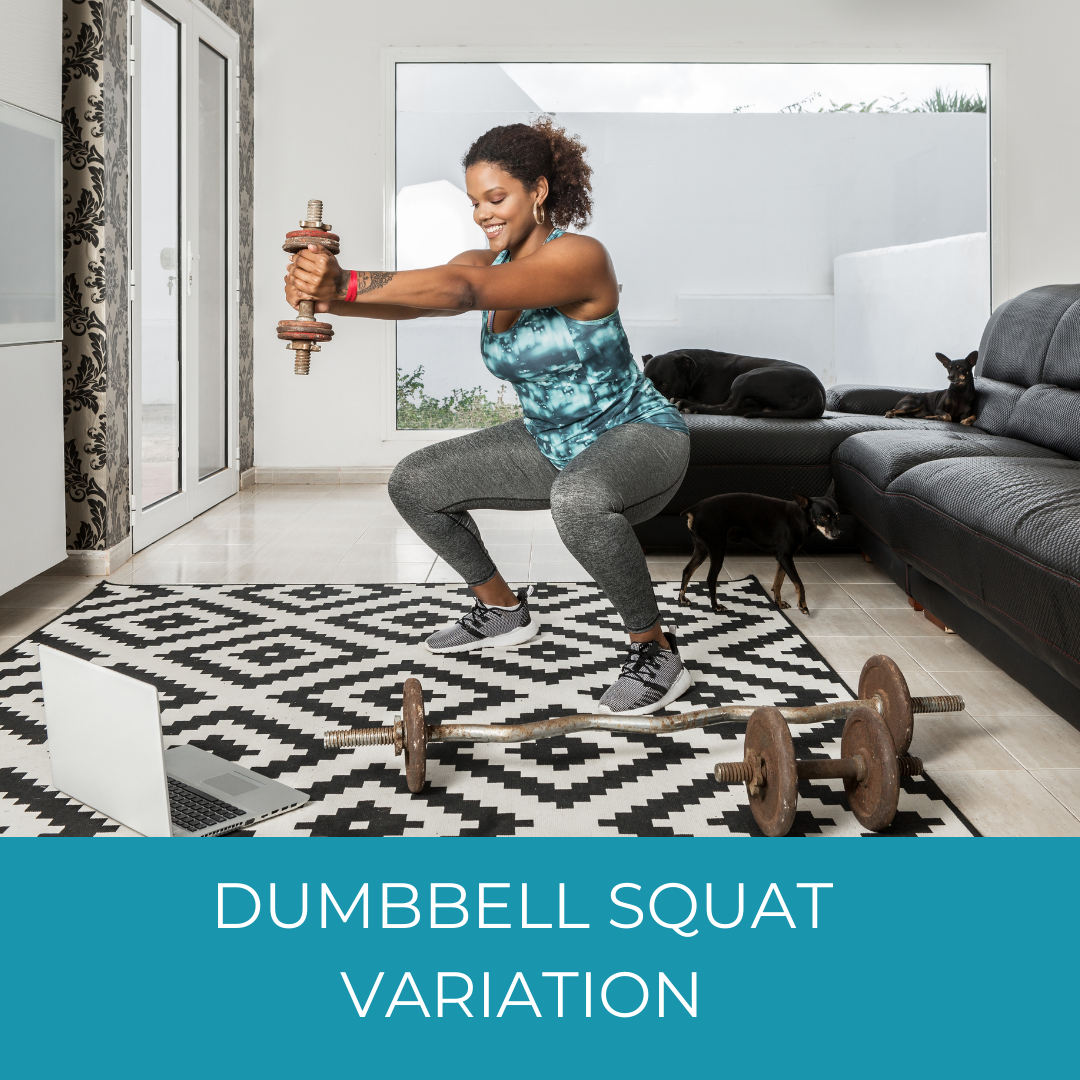
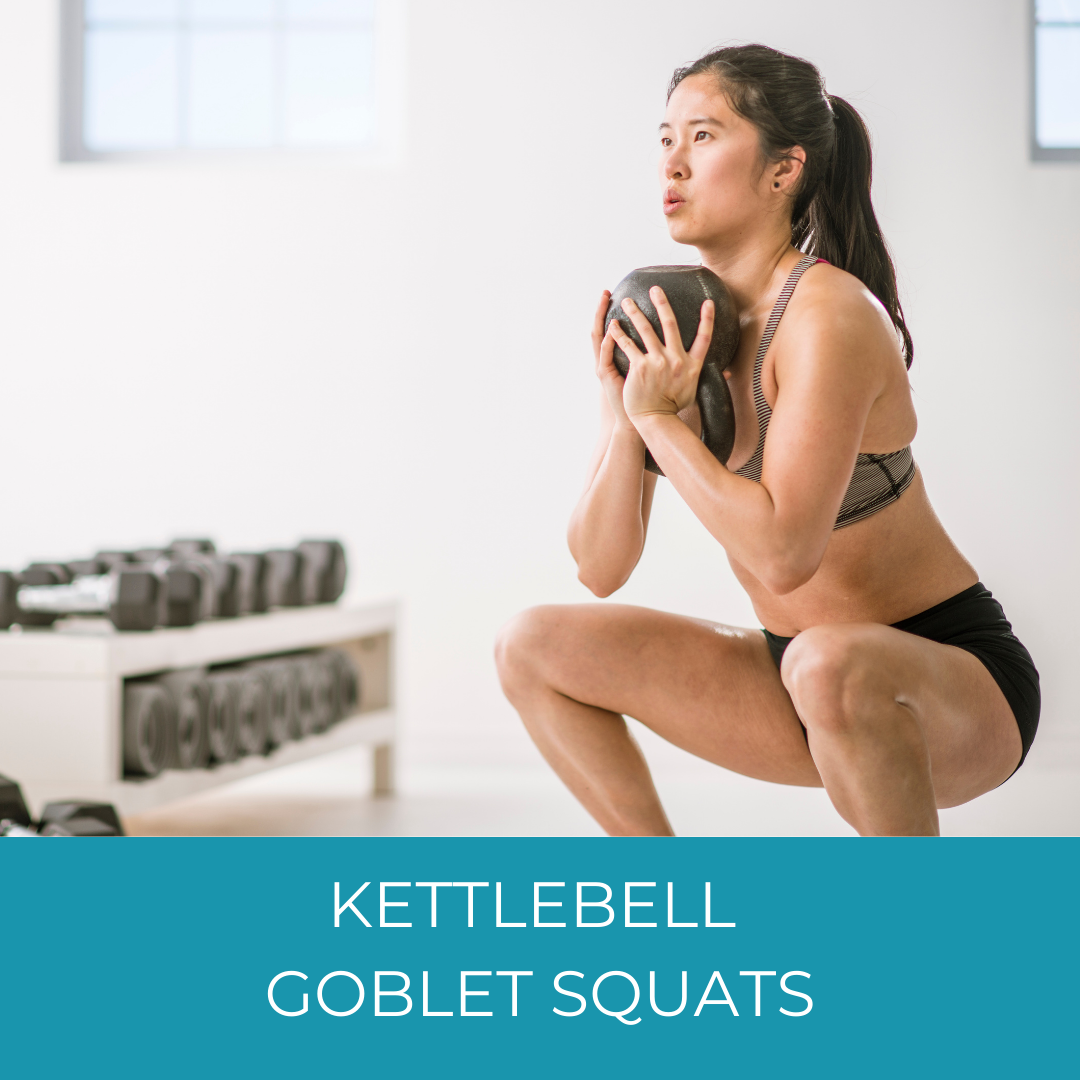
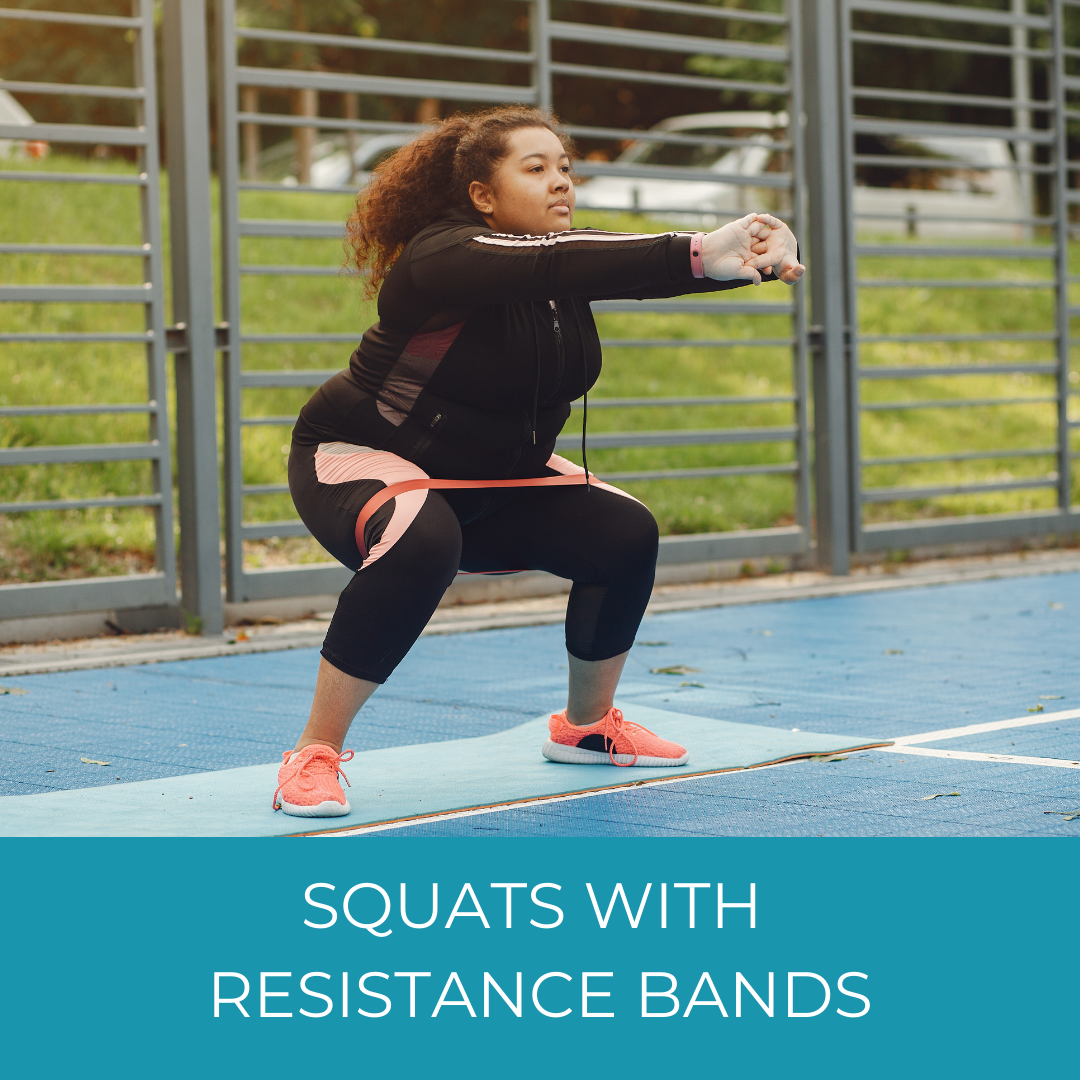
Squat Examples
Muscles Worked: Quadriceps, Gluteus, Adductors
|
|
|
Deadlift Examples
Muscles Worked: Hamstrings, Gluteus, Adductors, Erector Spinae
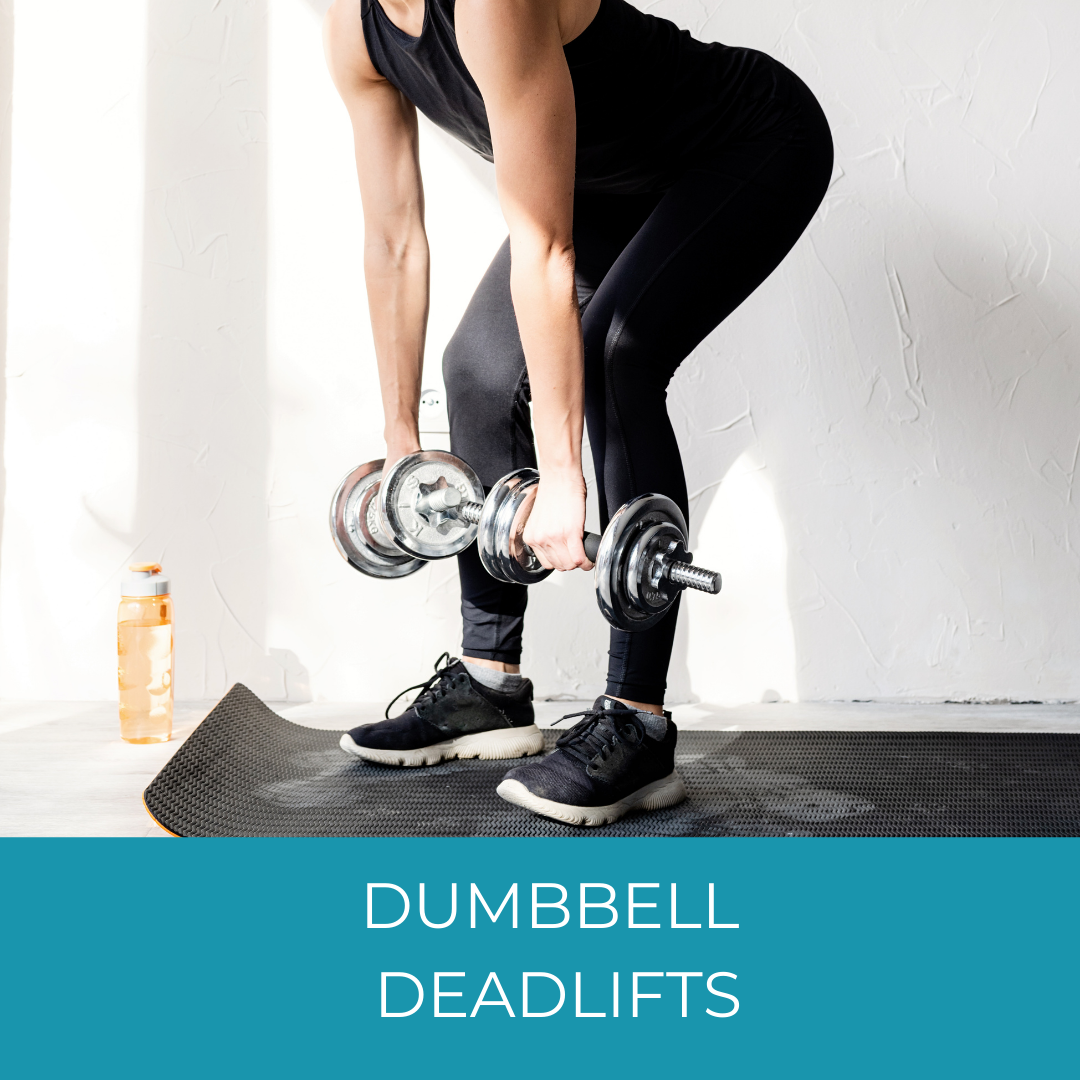
|
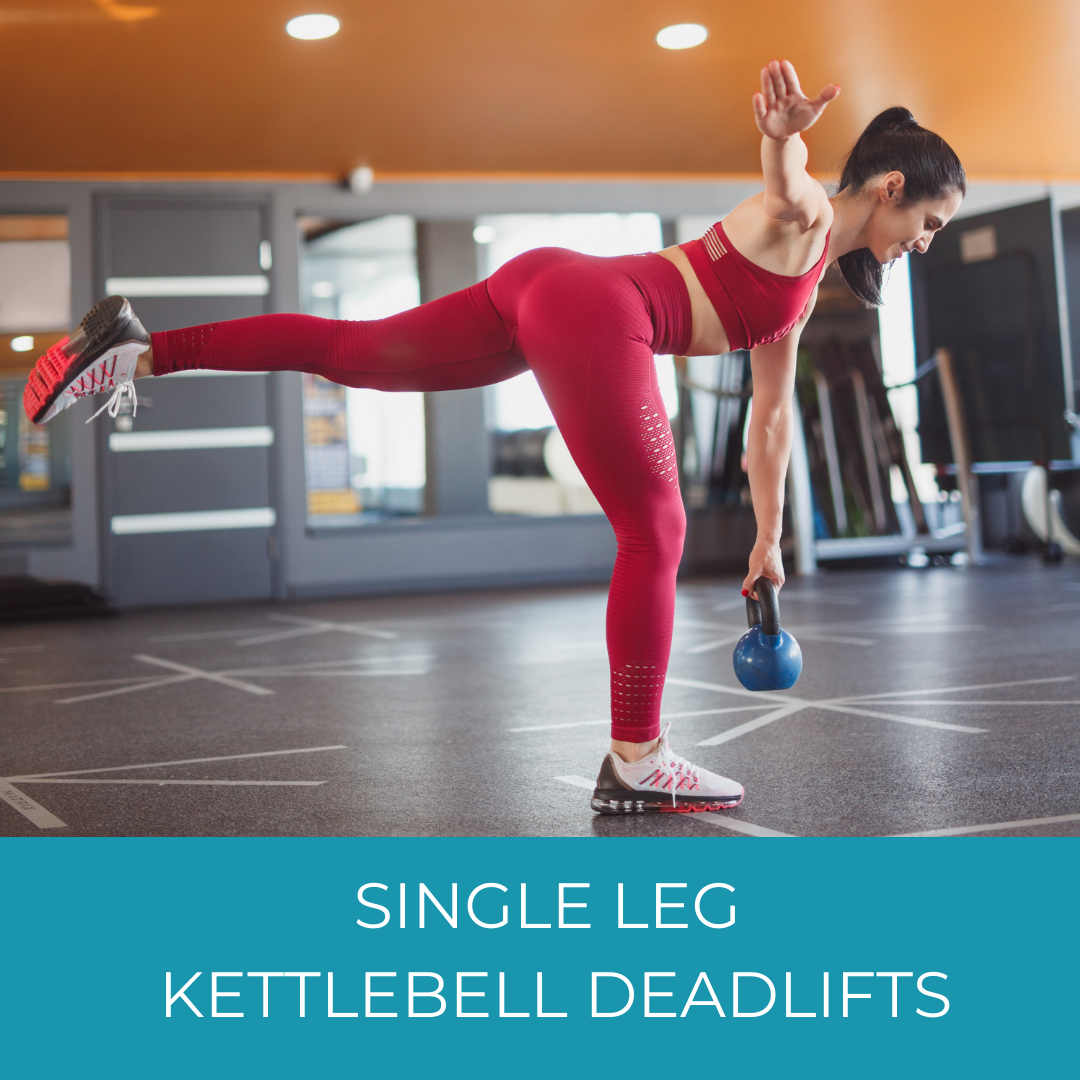
|
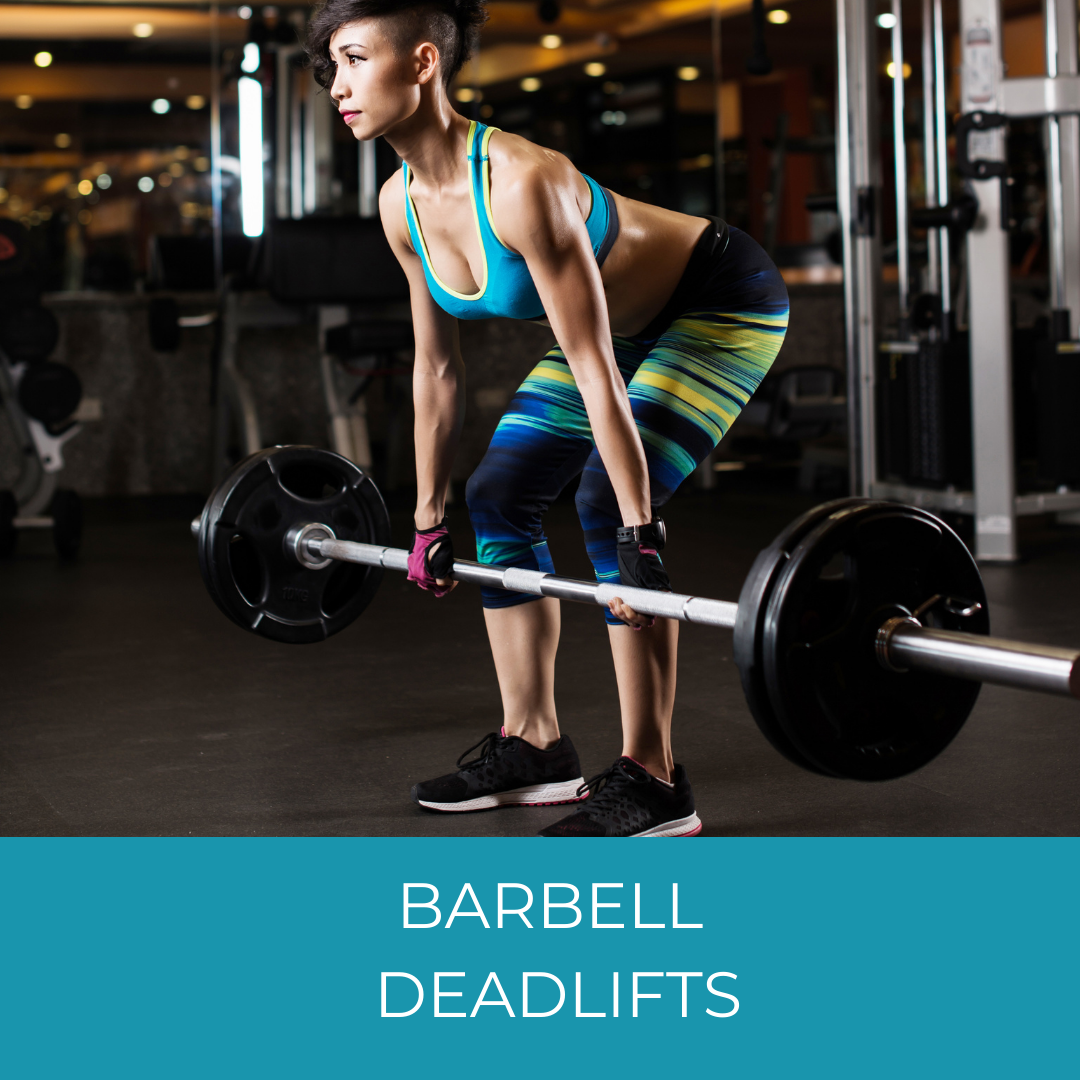
|
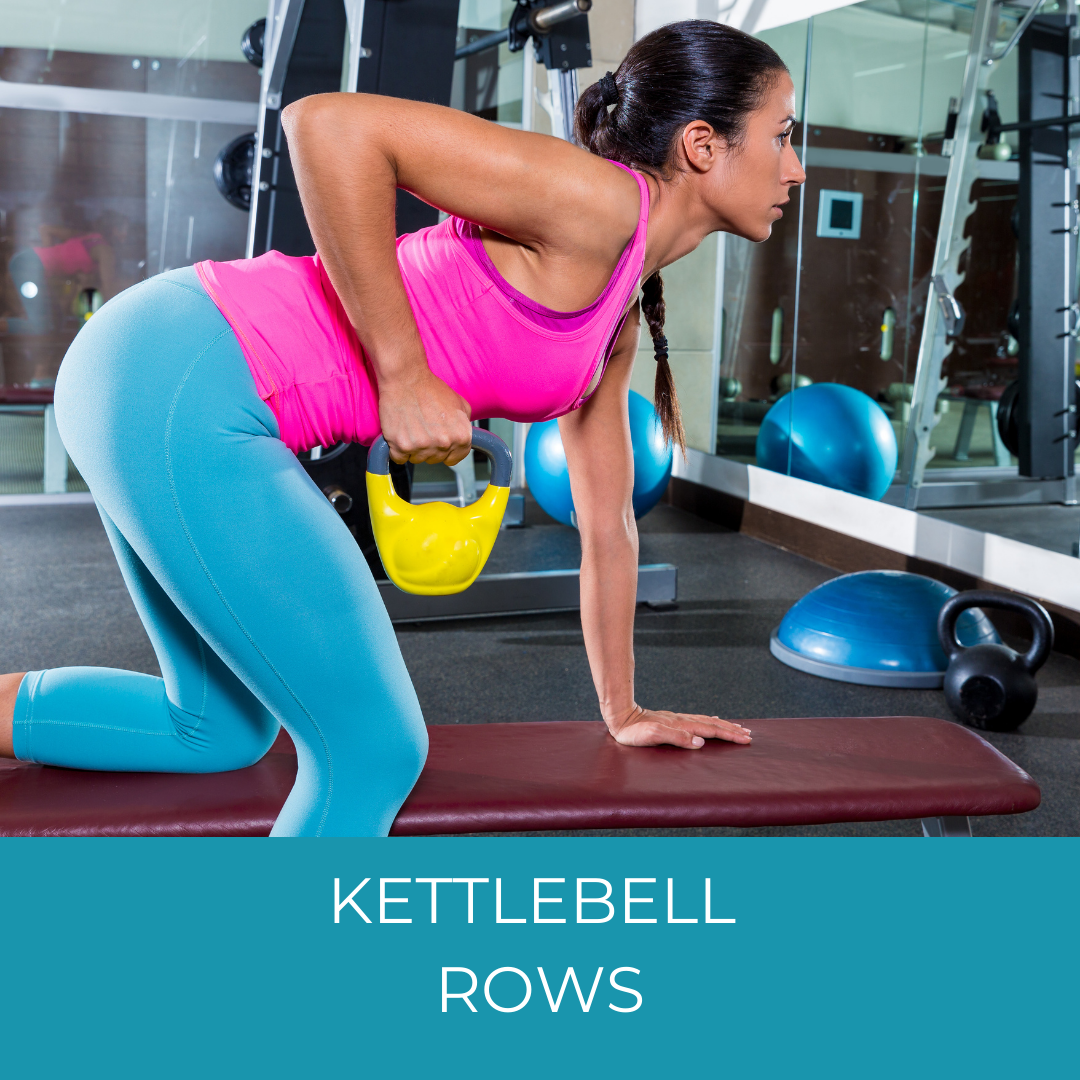
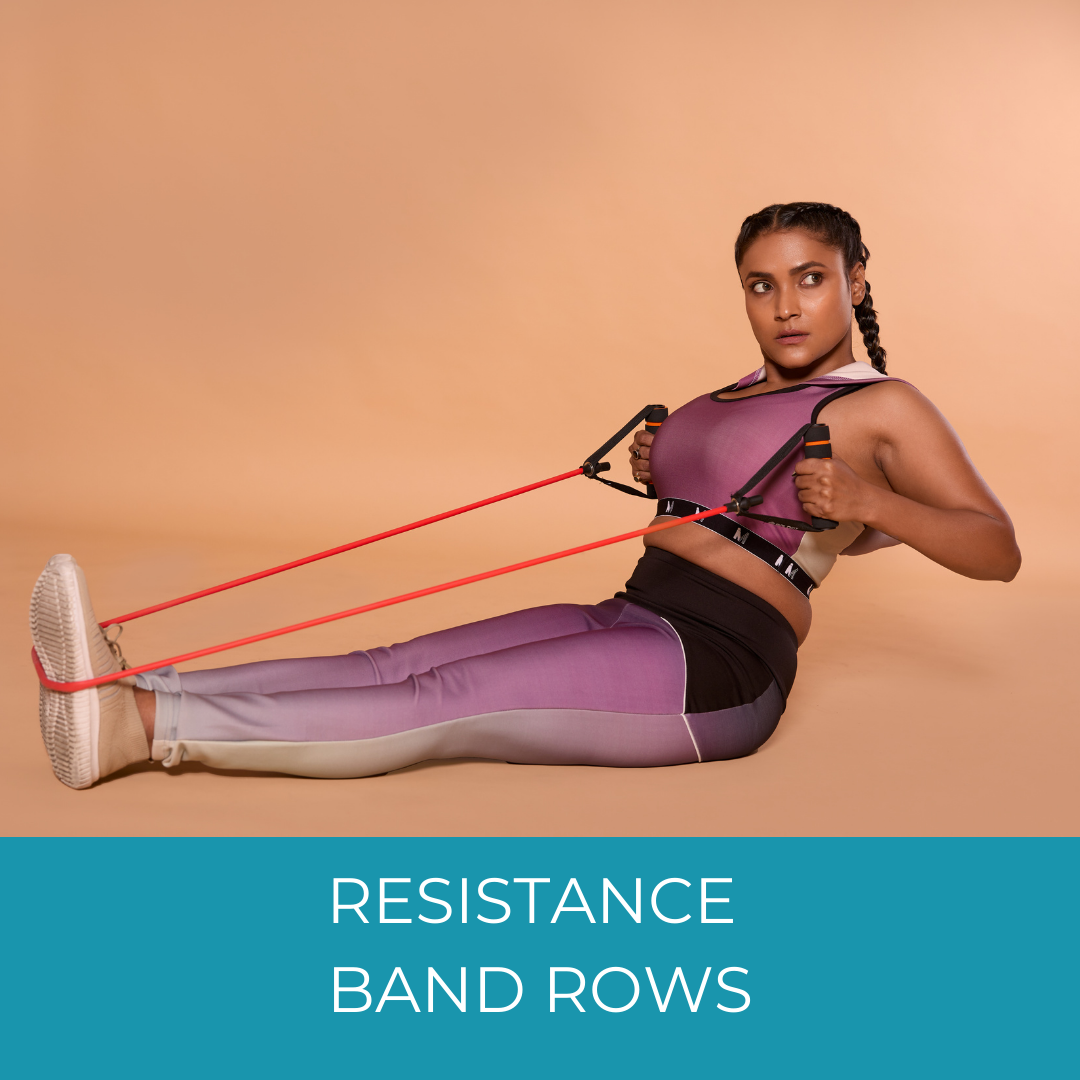
Row Examples
Muscles Worked: Latissimus Dorsi, Trapezius, Posterior Deltoids, Biceps
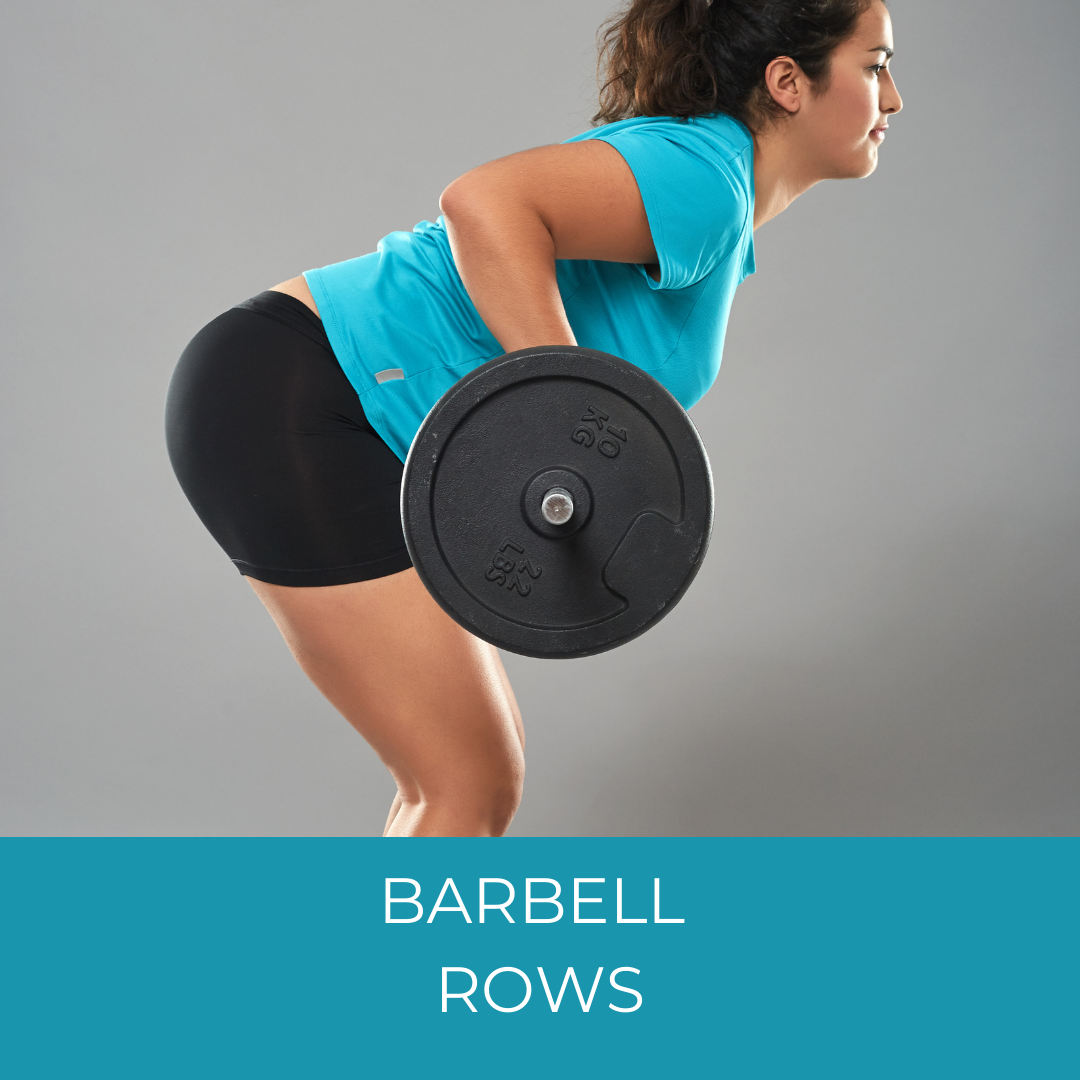
|
|
|
Hybrid movements combine two exercises into one move and are excellent for your fat loss goals. These movements challenge more muscles while increasing the heart rate, boosting the overall calorie burn during the workout. Here's an example of a dumbbell squat press, where a shoulder press immediately follows a dumbbell squat:
Grouping compound and hybrid movements into circuit-style workouts where you perform exercises back to back with minimal rest between each exercise is an effective way to push the intensity and burn more calories. Utilizing this tactic is an effective way to use weight training to reach your fat loss goals.
However, burning extra calories should never be prioritized over your health, safety, or overall enjoyment. If you have mobility or health issues or know that it will make weight training unpleasant for you, avoid doing circuits without rests. Use a standard multiple-set style, performing each exercise for a set, followed by a rest of 30s-60s before moving on to another movement. Repeat three to four times.
However, burning extra calories should never be prioritized over your health, safety, or overall enjoyment. If you have mobility or health issues or know that it will make weight training unpleasant for you, avoid doing circuits without rests. Use a standard multiple-set style, performing each exercise for a set, followed by a rest of 30s-60s before moving on to another movement. Repeat three to four times.
|
A "rep" = one move of an exercise
|
You'll also want to progressively overload, meaning that you consistently increase the amount of weight you lift over time so that your muscles remain challenged to adapt. You may have heard that the best way to weight train for weight loss is to lift heavy. While that's true, "heavy" is subjective. Start where you are and gradually build strength over time. Doing too much too soon can lead to injury.
Creating Your Weight Training Schedule
An effective fat loss program integrates both weight training and aerobic (cardio) exercises. Studies have shown that combining resistance training with cardio intervals is the most effective way to lose weight and keep it off in the long term. Scheduling a mix of weight training, high-intensity cardio intervals, and low-intensity movement into each week will reap the best results. Here's an example of a workout schedule that incorporates multiple forms of activity:
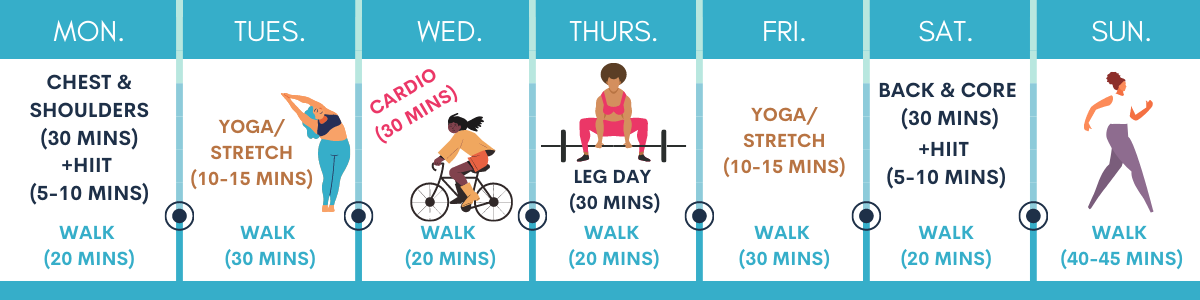
In this schedule, there are three weight training sessions for the week. Two-four days of weight training is enough to see results. If you only have two days to spare, you may choose to dedicate those days to full-body workouts where all muscles are targeted at once. If you have more days, you may decide to do a split routine like the one shown above, where you target different muscle groups on different days.
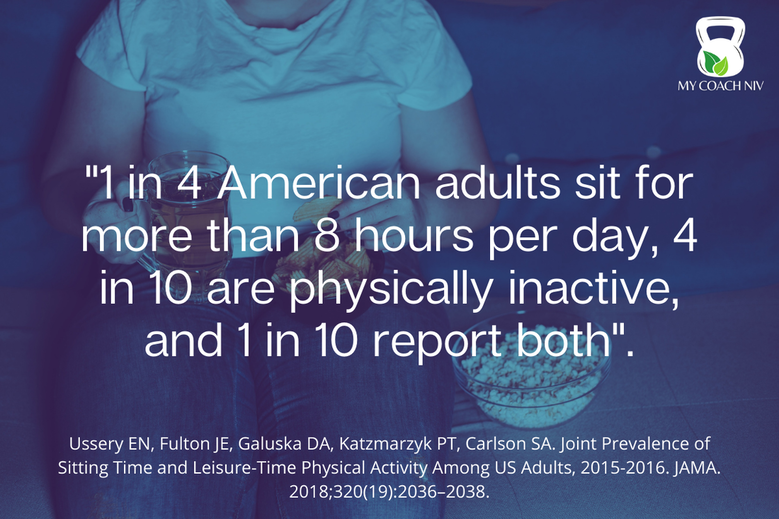
You may be wondering why there are no "rest" days. Resting between lifting days doesn't mean being inactive and spending the entire day on the couch. Being sedentary is a leading cause of disease and disability, and working out a few times per week isn't enough to offset that.
Incorporating easy, low-impact movement such as walking each day will help you be healthier and fitter overall. Developing a daily walking regimen in addition to your structured exercise is a great way to get you closer to your health and fitness goals. A great tip is to take multiple ten-minute walks throughout the day to prevent you from sitting too long in one place.
You may be wondering why there are no "rest" days. Resting between lifting days doesn't mean being inactive and spending the entire day on the couch. Being sedentary is a leading cause of disease and disability, and working out a few times per week isn't enough to offset that.
Incorporating easy, low-impact movement such as walking each day will help you be healthier and fitter overall. Developing a daily walking regimen in addition to your structured exercise is a great way to get you closer to your health and fitness goals. A great tip is to take multiple ten-minute walks throughout the day to prevent you from sitting too long in one place.
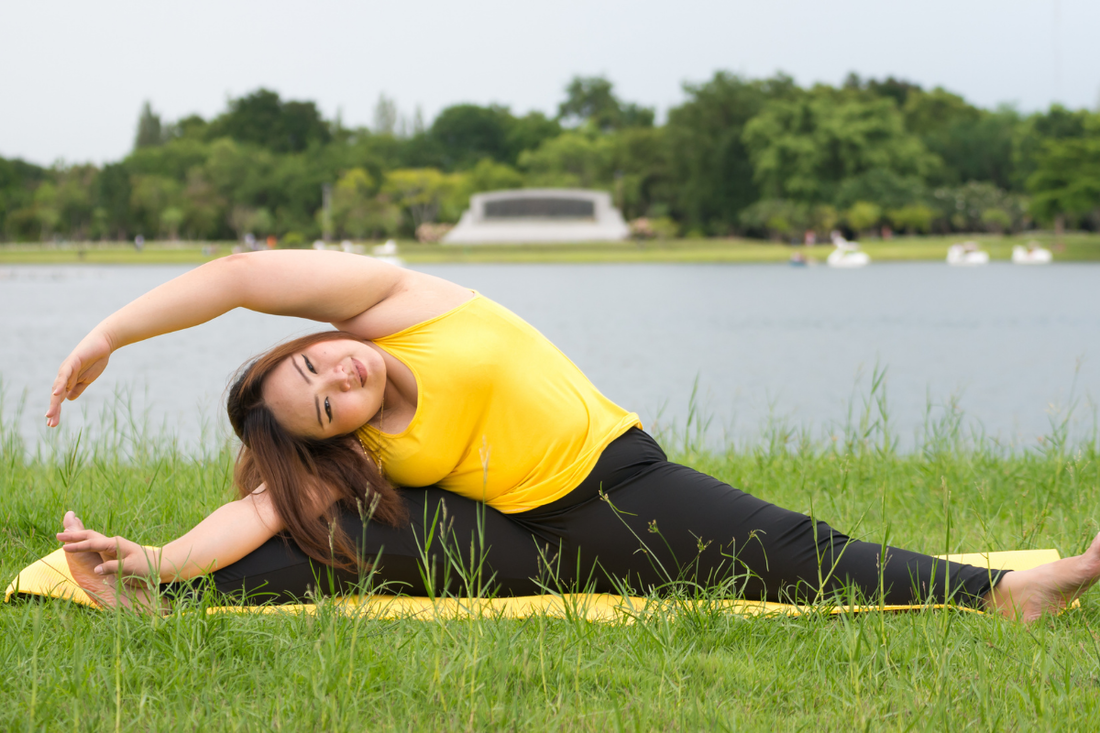
Flexibility is also an essential part of fitness. Even if you aren't interested in doing yoga, you should still spend time doing a bit of stretching. You should definitely stretch during warmups and cooldowns on weight training days, but you will also benefit from taking a brief moment to stretch on non-lifting days as well.
Warming Up Before Weight Training
It's essential to warm up before each workout to prepare your body for exercise. Beginning with a short foam rolling and stretching session can help loosen up any knots, boost blood flow, and get your muscles warmed up. Taking the time to warm up your muscles allows them to move more efficiently during your workout.
Follow up with a minimum of 5 minutes of movement to gradually bring up your heart rate. You can use a stationary bike, walk on a treadmill, jump rope, or even go old school with some arm circles or jumping jacks. You also have the option of warming up with bodyweight versions of the exercises you plan to do, such as squats or lunges.
Follow up with a minimum of 5 minutes of movement to gradually bring up your heart rate. You can use a stationary bike, walk on a treadmill, jump rope, or even go old school with some arm circles or jumping jacks. You also have the option of warming up with bodyweight versions of the exercises you plan to do, such as squats or lunges.
Sample Beginner's Full-Body, Fat-Burning Weight Training Dumbbell Circuit
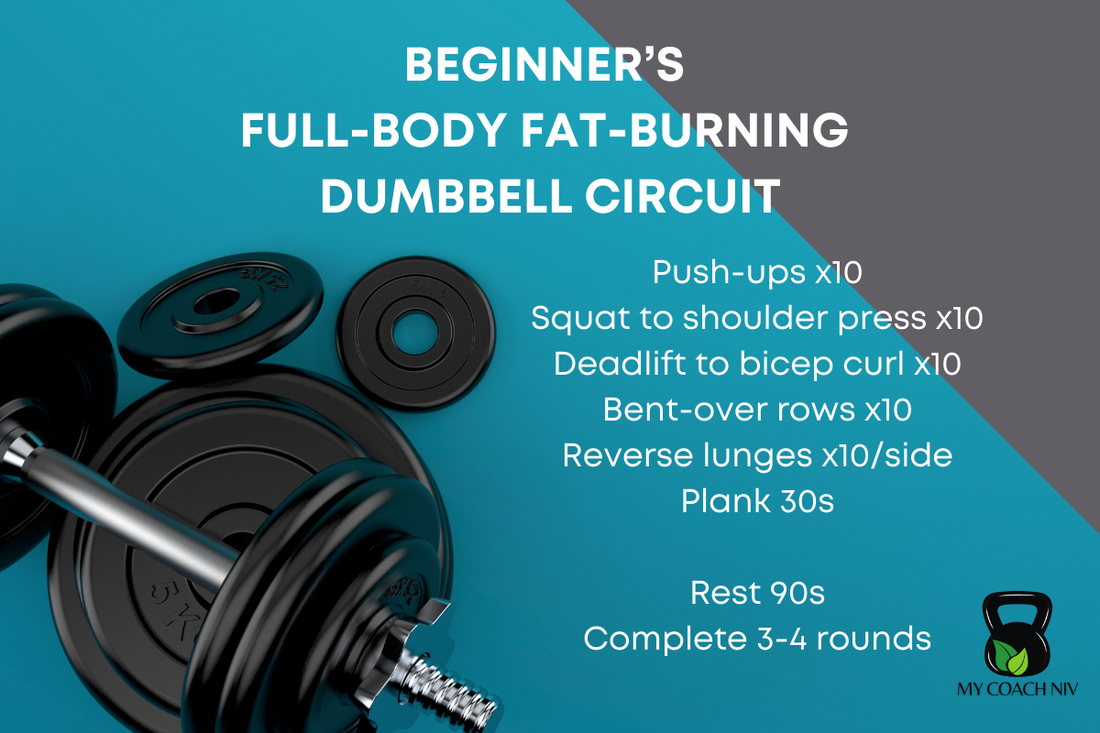
This sample routine requires two dumbbells of a moderate weight, around 10-15 pounds is suitable for most beginners. You can always use lighter or heavier weights, depending on your strength.
Cooling Down After Weight Training
Just as it's essential to warm up before you exercise, it's also crucial to cool down after the workout. Cooling down allows your heart rate, blood pressure, and body temperature to come back down to normal gradually. You can cool down with a brief bout of steady-state cardio (like walking on the treadmill or using a stationary bike) followed by stretches of the muscles you've just exercised.
Staying Safe While Weight Training
Be sure always to remain safe while working out with weights. Wear proper footwear, such as closed-toe shoes, especially if training at the gym or close to other people. Wear comfortable clothing that allows you to move freely. Always be aware of your surroundings. If training at the gym, be sure to give space to the people around you as they're lifting. If training at home, be aware of any children or pets roaming around, as accidents happen.
Use a spotter when lifting heavy weights, especially if you're lifting this weight overhead. It's never a good idea to "ego lift" by trying to lift more than you're capable of lifting for the sake of showing off. The attention isn't worth the possibility of injury.
It also isn't a good idea to lift heavy weights if you aren't feeling well. Illness can adversely affect your coordination and strength, leaving you vulnerable. If you're feeling under the weather, it's best to give your body time to get better. When you start feeling better, ease yourself back into training gradually.
Use a spotter when lifting heavy weights, especially if you're lifting this weight overhead. It's never a good idea to "ego lift" by trying to lift more than you're capable of lifting for the sake of showing off. The attention isn't worth the possibility of injury.
It also isn't a good idea to lift heavy weights if you aren't feeling well. Illness can adversely affect your coordination and strength, leaving you vulnerable. If you're feeling under the weather, it's best to give your body time to get better. When you start feeling better, ease yourself back into training gradually.
Weight Training & Diet
No amount of weight training can compete with poor diet choices. Diet and exercise go hand-in-hand. What you eat fuels your muscles both for exercising and recovery. Food also provides the energy you'll need both during and between workouts. Eating a diet full of ultra-processed junk food will not only make you feel sluggish during your training, but it will also make it harder for you to reach your fat loss goals.
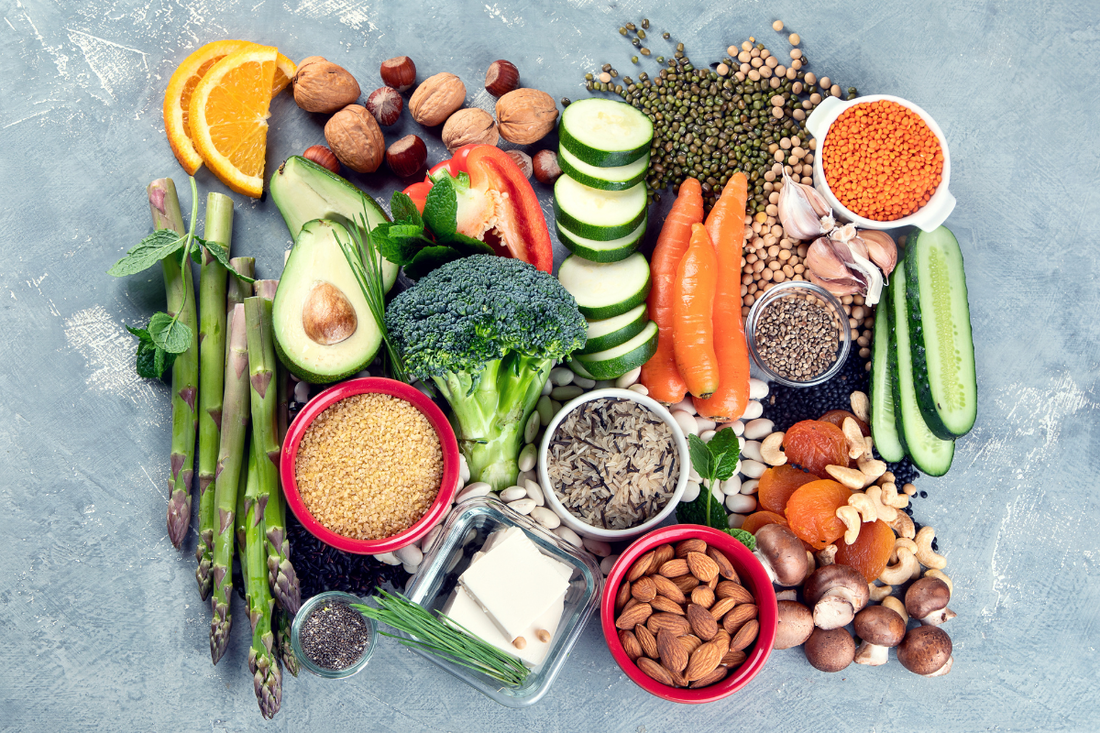
Struggling with how to eat? Here are some tips:
- Ditch fried, greasy, packaged, refined, and fast food and make whole, unprocessed foods the foundation of your diet. These foods are very high in calories while providing very little nutrition. The lack of fiber makes them easy to overeat, leading to weight gain.
- Prioritize whole grains, fruits, vegetables, legumes, nuts, and seeds. Whole plant foods are rich in fiber, which helps you to feel fuller for longer. Plant foods also provide necessary micronutrients to support your body's needs.
- Introduce plant-based protein sources such as organic tofu, tempeh, lentils, and other legumes to your diet, even if you aren't interested in giving up meat altogether.
- Prepare your own whole-food meals at home in bulk so that you have food available during the week, lessening the chance that you'll rely on outside food.
- Be discerning about any packaged foods you do include in your diet. Check for whole ingredients and avoid products with high amounts (more than 10% daily value) of saturated fat and sodium, even if the product is marked "vegan" or "plant-based."
- If it suits you, use an online calculator to figure out your caloric and nutritional needs for a day and spend a week tracking your meals with an app. Understanding the caloric density of the foods you're eating can help you better gauge whether you're eating too much or too little. Whether or not you continue to track your caloric intake after a week is up to you.
Getting Help From A Fitness & Nutrition Coach
Weight training is an excellent way to build muscle and burn fat. Even if you never join a gym, you can achieve great results with very few tools. Of course, this is only the tip of the iceberg for putting together a complete, long-term fat loss plan.
The finer details of your weight training program or diet may need to be adjusted over time to account not only for your progress but for any other changes that may have occurred in your life. Working with a fitness coach can take the guesswork out of putting a program together while helping to keep you on track.
The finer details of your weight training program or diet may need to be adjusted over time to account not only for your progress but for any other changes that may have occurred in your life. Working with a fitness coach can take the guesswork out of putting a program together while helping to keep you on track.
You Got This!
While your goal may be to lose weight, don't become a slave to the scale. The number you see there can be misleading, especially when you're building muscle a the same time. As long as you're doing the work, you will still be making beneficial changes to your body composition - even when it isn't registering on the scale.
The great thing about weight training is that it provides ample opportunities to measure progress. Celebrate the fact that you're getting stronger and fitter and taking the time to improve your overall health. Savor every victory, big and small.
Lastly, don't rush the process - these things take time. Be compassionate with yourself and enjoy the journey. You got this. As long as you're willing to put in the work and remain consistent, you will achieve things you never thought possible.
The great thing about weight training is that it provides ample opportunities to measure progress. Celebrate the fact that you're getting stronger and fitter and taking the time to improve your overall health. Savor every victory, big and small.
Lastly, don't rush the process - these things take time. Be compassionate with yourself and enjoy the journey. You got this. As long as you're willing to put in the work and remain consistent, you will achieve things you never thought possible.
When I was 16 years old, my mom hired a personal trainer in a well-meaning attempt to deal with my weight. It was at a gym that I'd never been to before, though I was no stranger to exercise. At the time, I was pretty overweight, and I'd tried in earnest to do the things that I thought would address the problem, but I honestly had no clue what to do.
Though I was a bit apprehensive, I embraced the idea of having someone with the experience and expertise to help me along my journey. It turned out to be one of the most embarrassing experiences of my life.
I don't think he liked me much. Why? To this day, I'm unsure. I don't want to assume that it was because I was an overweight Black teenaged girl, but I don't think it helped that we had absolutely nothing in common.
He was a muscular white guy, probably in his late twenties or early thirties. Considering that we were in a wealthier, majority-white neighborhood that I did not live in, he probably hadn't had many clients like me. I was quiet and shy, but I did everything he asked of me, without complaint.
The workout would begin with a strength circuit, silently jumping from machine to machine. He'd adjust the weights, and I'd perform the movements. Next, he'd bring me over to the dreaded stairs where I'd have to run up and down for what seemed like ages.
These were the moments when my lack of fitness came to the fore. Those stairs would leave me winded, and I'd always feel like a pathetic mess after the fact.
Once it was all over, he'd plant me on one of the treadmills, tell me to walk for a half-hour, then leave. No praise, no discussion of how I'm improving, nothing.
The moment of embarrassment, when I decided that I sure as hell would not be renewing my contract once it was over, came during a review of my diet journal. As requested, I kept a detailed journal (as detailed as a 16-year-old could anyway) of the meals I ate during the day and presented it to him for review.
One day, I proudly handed over my diet journal, pleased with how many salads I'd managed to eat, confident that he'd see my efforts and be thrilled. Wrong.
He blew up at me.
Within view and earshot of other patrons, my trainer yelled at me and accused me of trying to sabotage myself. I was confused until he asked why the hell I would be eating a beef patty so high in saturated fat when I was trying to lose weight.
Though I was a bit apprehensive, I embraced the idea of having someone with the experience and expertise to help me along my journey. It turned out to be one of the most embarrassing experiences of my life.
I don't think he liked me much. Why? To this day, I'm unsure. I don't want to assume that it was because I was an overweight Black teenaged girl, but I don't think it helped that we had absolutely nothing in common.
He was a muscular white guy, probably in his late twenties or early thirties. Considering that we were in a wealthier, majority-white neighborhood that I did not live in, he probably hadn't had many clients like me. I was quiet and shy, but I did everything he asked of me, without complaint.
The workout would begin with a strength circuit, silently jumping from machine to machine. He'd adjust the weights, and I'd perform the movements. Next, he'd bring me over to the dreaded stairs where I'd have to run up and down for what seemed like ages.
These were the moments when my lack of fitness came to the fore. Those stairs would leave me winded, and I'd always feel like a pathetic mess after the fact.
Once it was all over, he'd plant me on one of the treadmills, tell me to walk for a half-hour, then leave. No praise, no discussion of how I'm improving, nothing.
The moment of embarrassment, when I decided that I sure as hell would not be renewing my contract once it was over, came during a review of my diet journal. As requested, I kept a detailed journal (as detailed as a 16-year-old could anyway) of the meals I ate during the day and presented it to him for review.
One day, I proudly handed over my diet journal, pleased with how many salads I'd managed to eat, confident that he'd see my efforts and be thrilled. Wrong.
He blew up at me.
Within view and earshot of other patrons, my trainer yelled at me and accused me of trying to sabotage myself. I was confused until he asked why the hell I would be eating a beef patty so high in saturated fat when I was trying to lose weight.
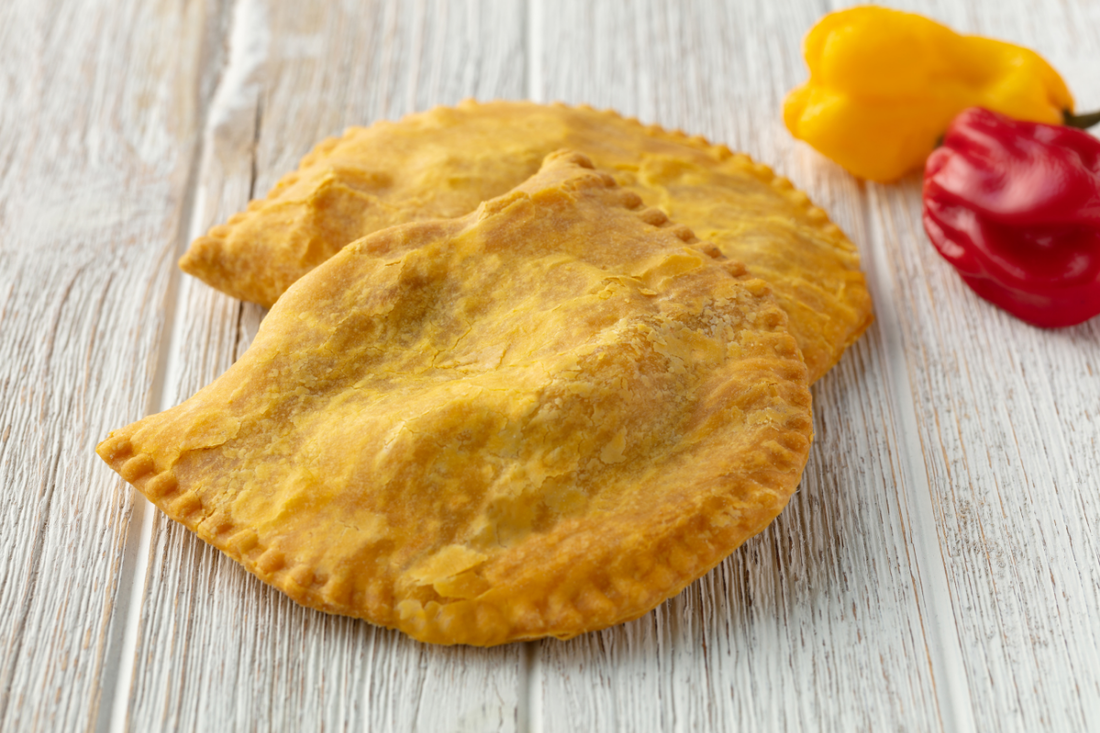
Now, at 16, I had no clue what the hell saturated fat was or why I should be avoiding it. I'd never had any nutritional counseling or education whatsoever. It wasn't something that was taught in school, and it wasn't something that my trainer had discussed with me. All I knew was that I should "eat better," and so I ate as well as I knew how.
I ate salads when possible and smaller amounts of everything else. But being of Jamaican descent and living in a Jamaican neighborhood, beef patties were ubiquitous, and it felt like such a normal and harmless thing to eat. I figured, hell, it's high in protein, right? Never in my wildest dreams did I think that having one beef patty would be such a problem.
I was humiliated. I felt smaller than I had already been feeling throughout the process, the smallest I'd felt since the entire thing started. I struggled, but I held back tears until our training session was over. I would continue to go to my training sessions for a few more weeks, but the tension between us never dissipated.
Once the training package had run its course, I told my mother to save her money because I would not be going back. I would continue to struggle with my weight and diet for many years after this, putting on much more weight than when I began. I was no better off for having had a trainer, and in some ways, in the emotional and mental ways, I was worse off.
My confidence was shot, and I felt like a hopeless cause.
I ate salads when possible and smaller amounts of everything else. But being of Jamaican descent and living in a Jamaican neighborhood, beef patties were ubiquitous, and it felt like such a normal and harmless thing to eat. I figured, hell, it's high in protein, right? Never in my wildest dreams did I think that having one beef patty would be such a problem.
I was humiliated. I felt smaller than I had already been feeling throughout the process, the smallest I'd felt since the entire thing started. I struggled, but I held back tears until our training session was over. I would continue to go to my training sessions for a few more weeks, but the tension between us never dissipated.
Once the training package had run its course, I told my mother to save her money because I would not be going back. I would continue to struggle with my weight and diet for many years after this, putting on much more weight than when I began. I was no better off for having had a trainer, and in some ways, in the emotional and mental ways, I was worse off.
My confidence was shot, and I felt like a hopeless cause.

I've heard many similar stories since then.
Stories of people shelling out their hard-earned cash to pay for training packages with trainers who were rude, dismissive, judgmental, and racially or culturally insensitive.
Trainers who resorted to verbal and emotional abuse instead of providing support.
Trainers who put their clients through the motions of working out without explaining why they were doing the things they were doing.
Television shows such as The Biggest Loser popularized this kind of training. Overweight and obese contestants were regularly yelled at, belittled, and broken down under the guise of building them back up stronger.
The contestants were subjected to disturbing weigh-ins where normal, healthy weight loss was treated as a failure while losing massive, unrealistic amounts of weight was celebrated as a success.
We now know that the long-term result of all of this was metabolic damage, not to mention any emotional or psychological pain.
Shows like The Biggest Loser perpetuate the idea that people who are overweight and obese deserve to be abused and humiliated. That they must pay penance for daring to exist in their fat bodies.
While there are many reasons everyone should eat healthier and get regular exercise, abuse, belittlement, and judgment are not the ways to go about it.
After years and years of jumping from gym to gym and tinkering with my diet, I was finally able to lose a substantial amount of weight on my own. But I resented the fact that I had to go it alone.
I had to do extensive research to successfully navigate the clusterfuck of nutrition and fitness misinformation that's out there.
Now, with fitness training and nutrition coaching certifications under my belt, I see much more clearly just how fucked up my experience has been.
It shouldn't be this hard. It shouldn't be this difficult to take control of your own body. It shouldn't be this hard to be healthy.
But this is the environment that we live in.
As a nation, we don't know how to eat correctly, and it's by design.
Stories of people shelling out their hard-earned cash to pay for training packages with trainers who were rude, dismissive, judgmental, and racially or culturally insensitive.
Trainers who resorted to verbal and emotional abuse instead of providing support.
Trainers who put their clients through the motions of working out without explaining why they were doing the things they were doing.
Television shows such as The Biggest Loser popularized this kind of training. Overweight and obese contestants were regularly yelled at, belittled, and broken down under the guise of building them back up stronger.
The contestants were subjected to disturbing weigh-ins where normal, healthy weight loss was treated as a failure while losing massive, unrealistic amounts of weight was celebrated as a success.
We now know that the long-term result of all of this was metabolic damage, not to mention any emotional or psychological pain.
Shows like The Biggest Loser perpetuate the idea that people who are overweight and obese deserve to be abused and humiliated. That they must pay penance for daring to exist in their fat bodies.
While there are many reasons everyone should eat healthier and get regular exercise, abuse, belittlement, and judgment are not the ways to go about it.
After years and years of jumping from gym to gym and tinkering with my diet, I was finally able to lose a substantial amount of weight on my own. But I resented the fact that I had to go it alone.
I had to do extensive research to successfully navigate the clusterfuck of nutrition and fitness misinformation that's out there.
Now, with fitness training and nutrition coaching certifications under my belt, I see much more clearly just how fucked up my experience has been.
It shouldn't be this hard. It shouldn't be this difficult to take control of your own body. It shouldn't be this hard to be healthy.
But this is the environment that we live in.
As a nation, we don't know how to eat correctly, and it's by design.
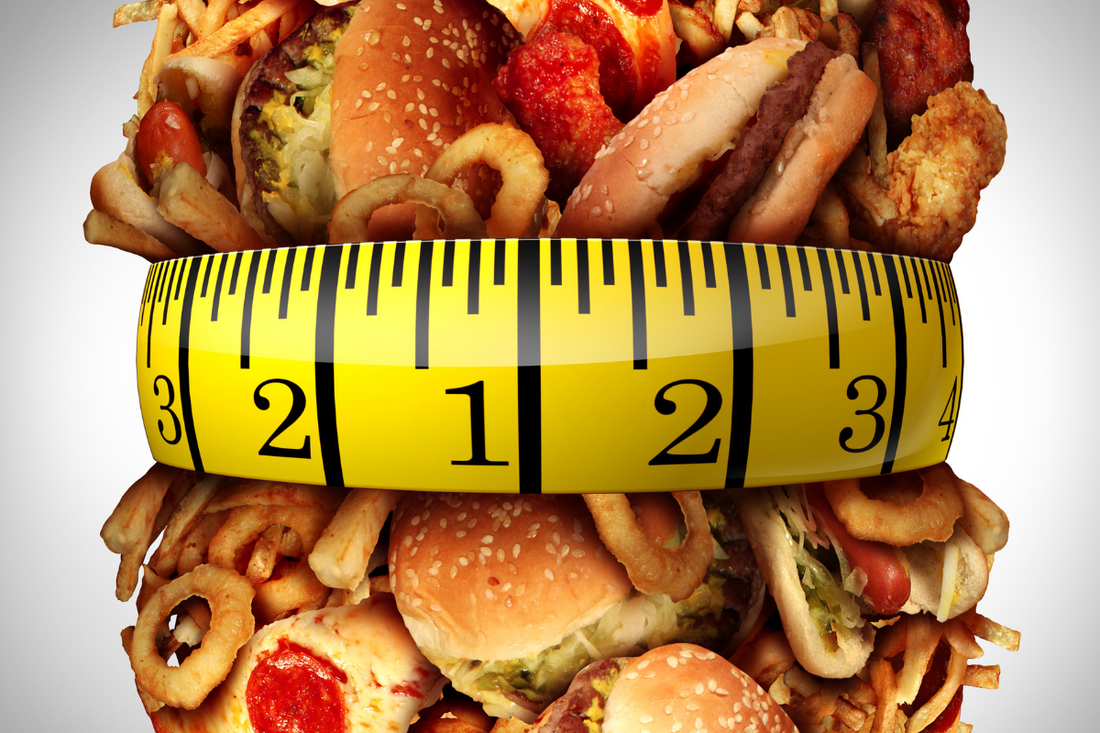
We constantly hear about how obesity rates continue to rise. Yet the industries that promise to help solve this problem continue to profit.
The majority of working people toil day in and day out to afford a living. Busy and stressful lifestyles force people to prioritize financial survival over health and wellness, and billion-dollar industries - from food to fitness to pharmaceuticals - profit from that fact.
These industries keep people confused on purpose, and when people slip up and find themselves in a poor state of health, the entirety of the blame is placed squarely on their shoulders. It becomes your fault for being misled, misinformed, and unaware.
Too many personal trainers are guilty of putting profits over people, as well.
One scroll through Instagram will show you countless examples of "professionals" who approach fitness from a place of vanity and showmanship, who are just as misinformed about health and nutrition as the people they're trying to take on as clients.
People deserve better.
People deserve to be seen as individuals and understood for who they are in the context of their lives and the experiences they've had, not as stereotypes.
They deserve to have their needs and concerns addressed in a manner that is understanding and empathetic, not judgmental and dismissive.
They deserve proper guidance on living a cohesive lifestyle where movement is accessible, enjoyable, desirable, and safe, rather than painful and punishing.
They deserve to enjoy food confidently, knowing that they have the tools necessary to make healthy decisions for themselves and their families.
Unfortunately, I don't envision that the billion-dollar industries that profit from poor health will all of a sudden gain a conscience. Nor do I see our elected officials putting their financial positions at stake by facing these industries head-on.
Change has to begin at the grassroots.
As fitness and wellness professionals, we must provide our clients with proper knowledge and treat them with the respect they deserve.
Otherwise, people will continue to fall prey to the insidious traps of diet and fitness fads.
The majority of working people toil day in and day out to afford a living. Busy and stressful lifestyles force people to prioritize financial survival over health and wellness, and billion-dollar industries - from food to fitness to pharmaceuticals - profit from that fact.
These industries keep people confused on purpose, and when people slip up and find themselves in a poor state of health, the entirety of the blame is placed squarely on their shoulders. It becomes your fault for being misled, misinformed, and unaware.
Too many personal trainers are guilty of putting profits over people, as well.
One scroll through Instagram will show you countless examples of "professionals" who approach fitness from a place of vanity and showmanship, who are just as misinformed about health and nutrition as the people they're trying to take on as clients.
People deserve better.
People deserve to be seen as individuals and understood for who they are in the context of their lives and the experiences they've had, not as stereotypes.
They deserve to have their needs and concerns addressed in a manner that is understanding and empathetic, not judgmental and dismissive.
They deserve proper guidance on living a cohesive lifestyle where movement is accessible, enjoyable, desirable, and safe, rather than painful and punishing.
They deserve to enjoy food confidently, knowing that they have the tools necessary to make healthy decisions for themselves and their families.
Unfortunately, I don't envision that the billion-dollar industries that profit from poor health will all of a sudden gain a conscience. Nor do I see our elected officials putting their financial positions at stake by facing these industries head-on.
Change has to begin at the grassroots.
As fitness and wellness professionals, we must provide our clients with proper knowledge and treat them with the respect they deserve.
Otherwise, people will continue to fall prey to the insidious traps of diet and fitness fads.
Author's Note: A version of this post first appeared on my Black Vegan Diaries blog in 2021.
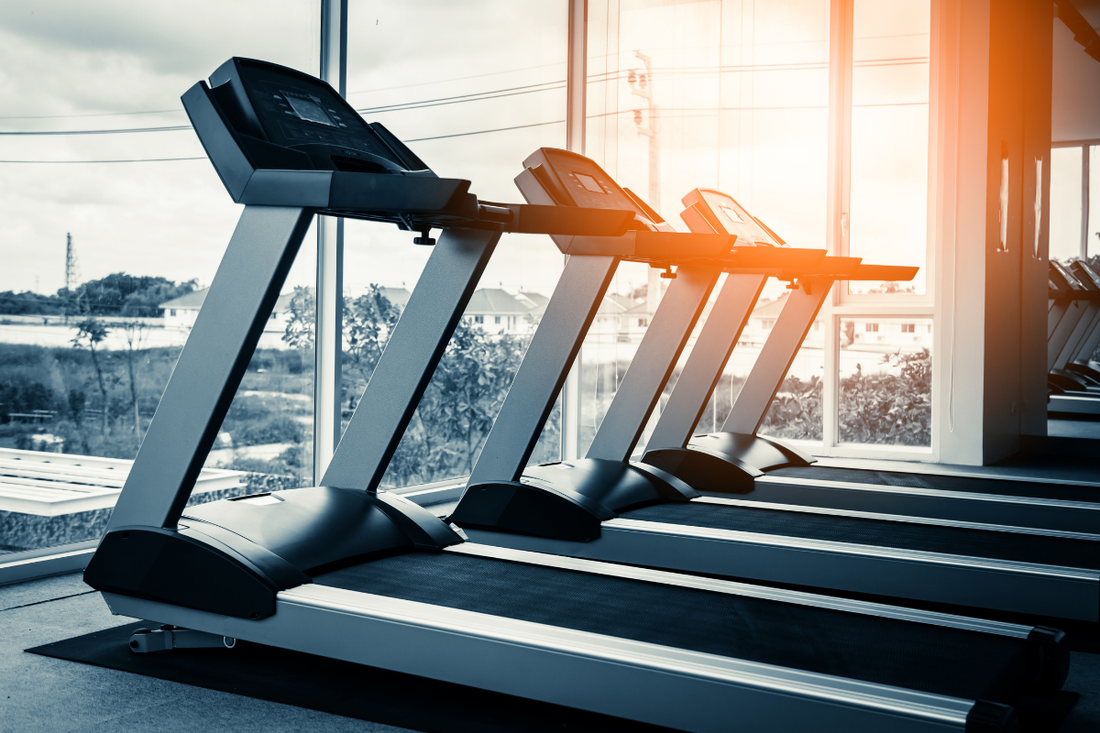
When you decided that it was time to lose weight, you probably relied heavily on cardio. Maybe you went to the gym and jumped on a stationary bike or elliptical machine. Perhaps you attempted to take up running but found that the aches and pains were too much to bear. Maybe you've even begun losing weight, but now you seem to be hitting a plateau or, worse, gaining back the weight. You're still putting in the effort, but you're not seeing the results you were looking for.
If this sounds like you, then you're not alone. Hundreds of people follow this same path each year, putting in work only to hit a plateau and then eventually regaining all the lost weight. So what could be going wrong? People often make the mistake of thinking that overweight people are simply lazy and unmotivated, but there are plenty who are getting up each day and earnestly putting in the work. They're watching what they eat and going to the gym several times a week but still aren't seeing the results they wanted to.
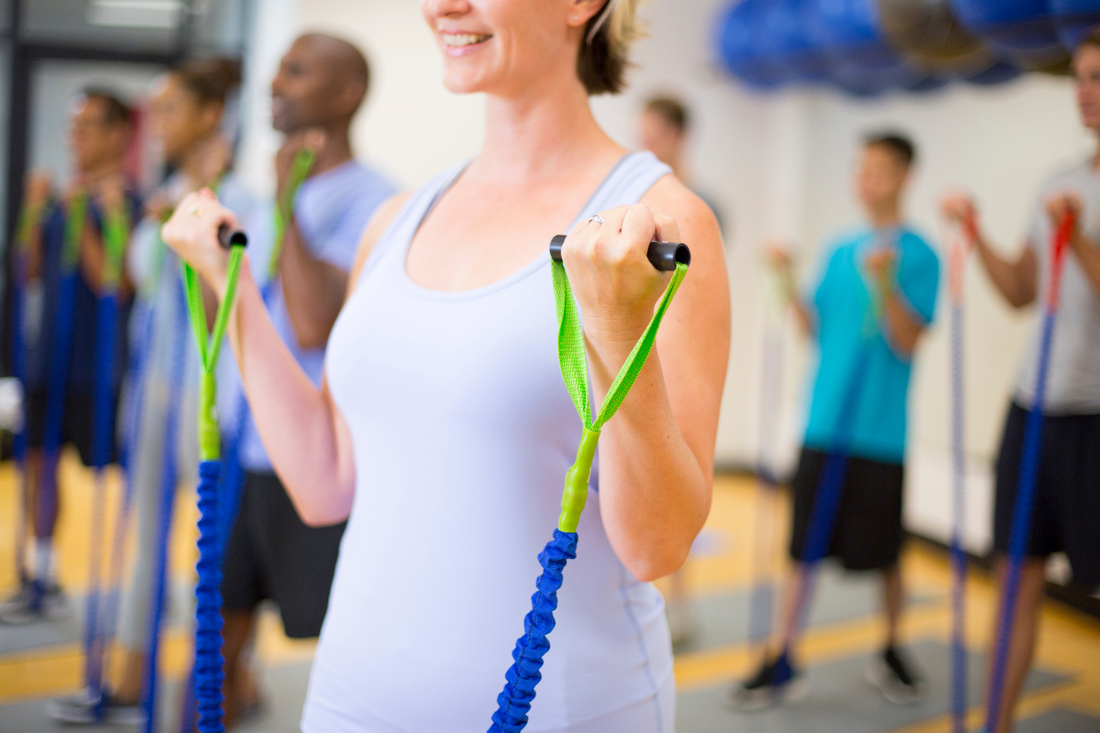
The problem is that many people are not following the correct equation for long-term weight loss success. They're trying their best, but they're missing a crucial component of the process. Sustainable weight loss, the holy grail of weight loss, requires more than just cardio. Studies have found that combining cardiovascular exercise with resistance training (a.k.a. weight or strength training) is the key to losing excess fat and keeping it off.
One recent study found that even after three years after the initial weight loss intervention, the group that performed both resistance training and high-intensity cardio intervals had been able to keep the fat off while the cardio-only and control groups did not. Combining cardio intervals with resistance training changed the participants' overall body composition, improving the hip-to-waist ratio and burning fat while preserving lean muscle.
If this sounds like you, then you're not alone. Hundreds of people follow this same path each year, putting in work only to hit a plateau and then eventually regaining all the lost weight. So what could be going wrong? People often make the mistake of thinking that overweight people are simply lazy and unmotivated, but there are plenty who are getting up each day and earnestly putting in the work. They're watching what they eat and going to the gym several times a week but still aren't seeing the results they wanted to.
The problem is that many people are not following the correct equation for long-term weight loss success. They're trying their best, but they're missing a crucial component of the process. Sustainable weight loss, the holy grail of weight loss, requires more than just cardio. Studies have found that combining cardiovascular exercise with resistance training (a.k.a. weight or strength training) is the key to losing excess fat and keeping it off.
One recent study found that even after three years after the initial weight loss intervention, the group that performed both resistance training and high-intensity cardio intervals had been able to keep the fat off while the cardio-only and control groups did not. Combining cardio intervals with resistance training changed the participants' overall body composition, improving the hip-to-waist ratio and burning fat while preserving lean muscle.
The Problem With Too Much Cardio
Don't get me wrong. You can absolutely lose weight by doing a lot of cardio, especially if it's in the form of high-intensity interval training. The problem, however, is that you aren't just losing fat. Yes, the number on the scale is going down, but you're also losing muscle. Losing muscle is counter-productive in the long run because muscle mass is crucial for maintaining weight loss. Muscle mass increases your body's overall metabolic rate, allowing you to burn more calories while at rest.
If you lose too much muscle, your metabolism may slow down, making it harder to lose weight as time passes. When combined with the fact that most people eventually start eating more than they did during the initial weight loss phase, most people end up falling down a slippery slope towards gaining the weight back. Your body is also more likely to gain weight if you were previously overweight or obese. As Dr. Michael Greger explains in his book How Not To Diet,
| "By the time we hit early adulthood, the total number of fat cells in our bodies remains fairly stable. When we gain or lose weight, we are pretty much just enlarging or shrinking our existing fat cells. Starting out with a higher number of fat cells or gaining more later in life may make it easier to put on pounds, harder to lose them, and more difficult to maintain weight loss." - Greger, Michael. How Not to Diet (p. 110). Flatiron Books. Kindle Edition. |
Building and preserving muscle mass can help offset this predisposition for your fat cells to return to their enlarged state. Adding weight training to your fitness routine and consuming a nutrient-dense diet can help prevent muscle loss while allowing you to shed excess fat.
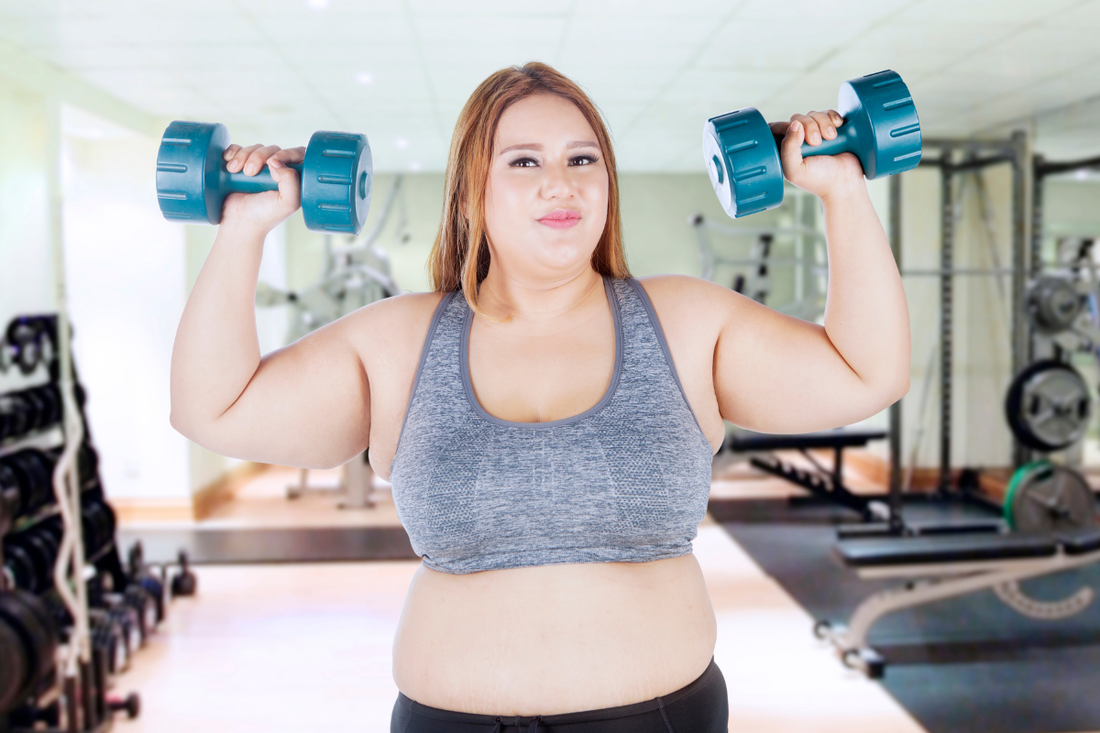
Weight Training Is For Everybody
While Instagram and other forms of social media are starting to highlight more unconventional lifters, weight training still carries this stereotype that's only for men. But like most stereotypes, it doesn't reflect the truth. Maintaining optimal health requires your muscles to be exercised. Exercising your muscles doesn't mean that you have to become a bodybuilder. But everyone, from children to the elderly, should be moving in ways that get the muscles pumping. Having lean muscle mass is vital for:
- Improving and maintaining metabolic health
- Burning fat while preserving muscle
- Managing blood sugar, especially for diabetics
- Maintaining a healthy immune system
- Preventing/surviving/avoiding the reoccurrence of cancer
- Preventing osteoporosis
- Preventing arthritis
- Boosting and stabilizing mood
- Reducing the risk of injury
Resistance training is essential even if you aren't trying to lose weight. But sacrificing muscle to lose weight is also a surefire way to bring you further away from your weight loss goals and away from optimal health in general.
Don't Neglect Your Diet.
Even a well-planned cardio + resistance training regimen can't fight against a poor diet. If you're eating a Standard American Diet, it's going to be very difficult to lose weight, and even if you do, you're likely to gain it back along with some pretty undesirable health outcomes. Even modest changes to your diet can make a massive difference to your weight loss success. A whole-food, plant-based diet can help you lose weight while also improving your health by boosting your nutrient intake.
To some extent, we all care about how we look. Fitness companies and influencers take advantage of this and use ripped abs and big booties to entice us into buying their products. But exercise is about so much more about achieving a so-called perfect body. Our bodies need movement to remain healthy, but today's sedentary lifestyles leave most of us chained to our desks all day long. As a result, too many of us are missing out on the myriad benefits of exercise.
While you may think that exercising is simply about losing weight or building muscle, there are plenty of reasons to exercise that have nothing to do with how you look and everything to do with how you feel in your day-to-day life
While you may think that exercising is simply about losing weight or building muscle, there are plenty of reasons to exercise that have nothing to do with how you look and everything to do with how you feel in your day-to-day life
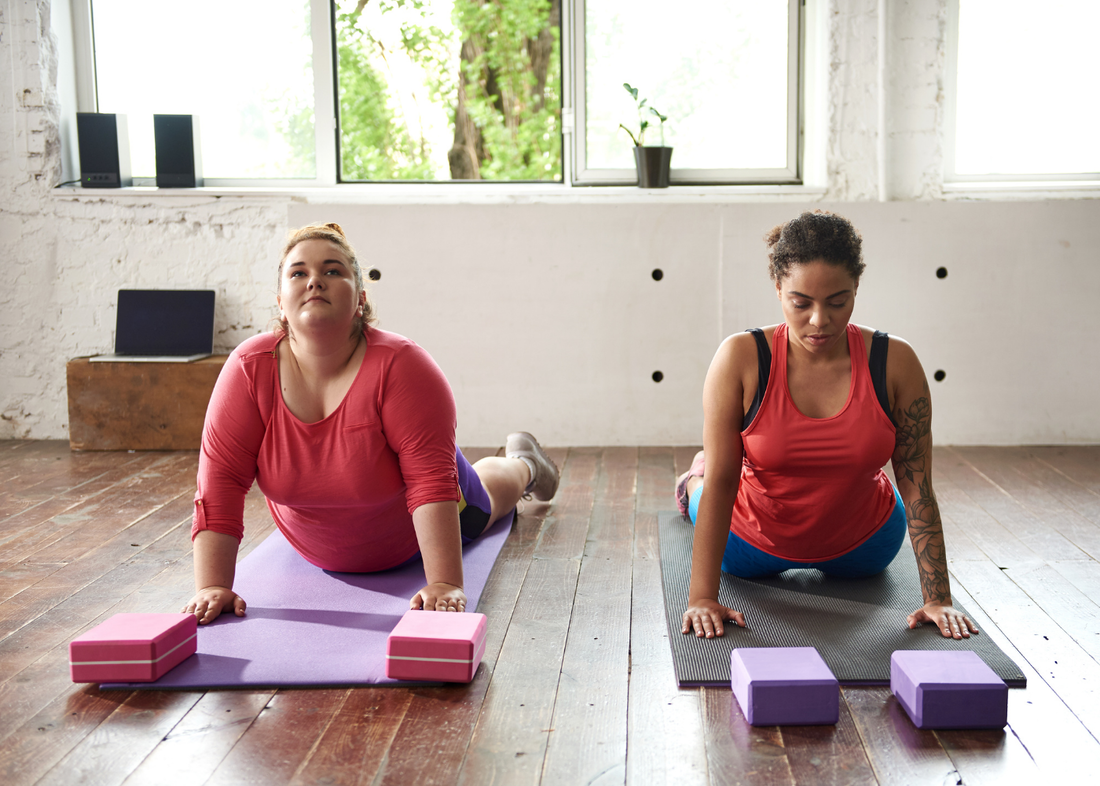
1. A Natural Energy Boost
Are you useless without your morning coffee? Are you always dozing off at your computer in the early afternoon? Do you find yourself obsessively reaching for a Red Bull? Then you need more exercise! Following a regular exercise regimen has been shown to increase energy levels and reduce fatigue even better than stimulant medications.
Sometimes there are medical conditions that are at the root of fatigue. The good news is that research has found that even people with chronic fatigue can gain energy from exercise. Save that Starbucks money and start jumping some rope. (WebMD)
2. Improved Endurance
How far can you walk before you start feeling exhausted? If walking for an hour sounds like hell on Earth, then you may want to start working on that endurance. On a cardiovascular level, improved endurance means an improvement in your heart and lungs' ability to provide oxygen to the rest of your body. Muscular endurance allows your muscles to perform work without fatigue, which is particularly helpful if your career or lifestyle requires repetitive physical labor. (Healthline)
3. More Stamina
Maybe you don't work at a desk. Perhaps you move quite a bit all day long, but you still feel like you're dragging and you're exhausted by the end of the day. Or maybe you love spending time playing with your grandchildren, but you struggle to keep up. In short, you can endure, but your stamina could use some work.
Regular exercise also improves how energetic you feel when performing an activity for a long time. While better endurance means your body can physically sustain activity, better stamina means that you can endure the exercise with an increased level of liveliness and energy. So when your beloved dog or energetic kids or grandkids want to run around for hours on end, you can keep up without tapping out too early. (Healthline)
4. Stronger Muscles
Strong muscles aren't just for bodybuilders; they're for everybody. The strength of your muscles can mean the difference between effortlessly picking up a heavy package or needing someone else to do it for you. With regular resistance training, you can strengthen your ability to perform everyday tasks.
Regular weight-bearing exercise places stress on the muscles, forcing them to change. Muscle cells grow, and the neural connection between your muscles and nerves becomes activated. (Scientific American) Consistently getting up and getting your workout in is a guaranteed way to improve your overall muscular strength, making it easier to perform everyday tasks while also fortifying yourself against injury and illness.
Are you useless without your morning coffee? Are you always dozing off at your computer in the early afternoon? Do you find yourself obsessively reaching for a Red Bull? Then you need more exercise! Following a regular exercise regimen has been shown to increase energy levels and reduce fatigue even better than stimulant medications.
Sometimes there are medical conditions that are at the root of fatigue. The good news is that research has found that even people with chronic fatigue can gain energy from exercise. Save that Starbucks money and start jumping some rope. (WebMD)
2. Improved Endurance
How far can you walk before you start feeling exhausted? If walking for an hour sounds like hell on Earth, then you may want to start working on that endurance. On a cardiovascular level, improved endurance means an improvement in your heart and lungs' ability to provide oxygen to the rest of your body. Muscular endurance allows your muscles to perform work without fatigue, which is particularly helpful if your career or lifestyle requires repetitive physical labor. (Healthline)
3. More Stamina
Maybe you don't work at a desk. Perhaps you move quite a bit all day long, but you still feel like you're dragging and you're exhausted by the end of the day. Or maybe you love spending time playing with your grandchildren, but you struggle to keep up. In short, you can endure, but your stamina could use some work.
Regular exercise also improves how energetic you feel when performing an activity for a long time. While better endurance means your body can physically sustain activity, better stamina means that you can endure the exercise with an increased level of liveliness and energy. So when your beloved dog or energetic kids or grandkids want to run around for hours on end, you can keep up without tapping out too early. (Healthline)
4. Stronger Muscles
Strong muscles aren't just for bodybuilders; they're for everybody. The strength of your muscles can mean the difference between effortlessly picking up a heavy package or needing someone else to do it for you. With regular resistance training, you can strengthen your ability to perform everyday tasks.
Regular weight-bearing exercise places stress on the muscles, forcing them to change. Muscle cells grow, and the neural connection between your muscles and nerves becomes activated. (Scientific American) Consistently getting up and getting your workout in is a guaranteed way to improve your overall muscular strength, making it easier to perform everyday tasks while also fortifying yourself against injury and illness.
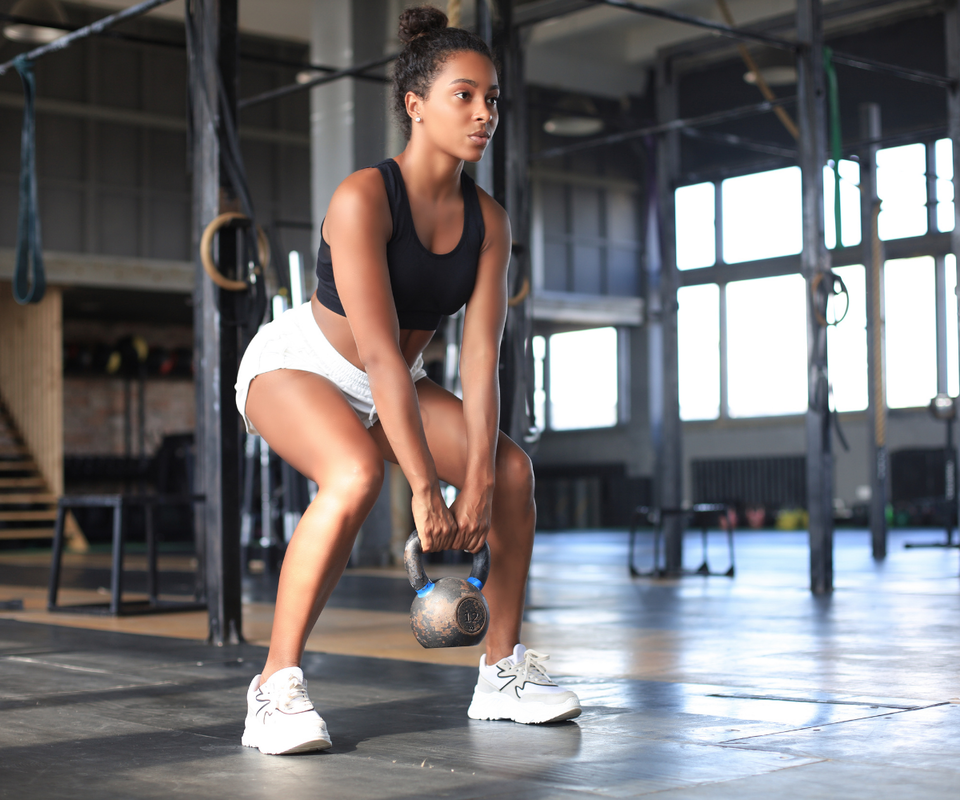
5. Stronger Bones
Bones, like muscles, are living tissue that also responds to the good stress of exercise. Working out can help build up bone density which becomes increasingly crucial as we grow older. Inactivity is a critical risk factor for conditions such as osteoporosis, which leaves older individuals vulnerable to breaks and fractures. (American Academy of Orthopedic Surgeons) Being older is often used as an excuse not to exercise, but it's clear that it's the perfect excuse to do so.
6. Breathe Better
You know that feeling you get after walking several flights of stairs? Your breathing is heavy and intense, and you might even struggle to catch your breath. Well, it turns out that your leg muscles aren't the only things getting a workout on those stairs. When you're huffing and puffing, you're also exercising the muscles that your body uses for breathing.
Engaging in physical activity makes your lung and heart muscles stronger while improving your body's ability to carry oxygen through the bloodstream. It also helps strengthen the diaphragm, intercostal muscles, and muscles in the neck involved in the breathing process. (The Lung Association) Keep taking the stairs, and over time, you'll seamlessly reach the top - without losing your breath.
7. A Good Night's Sleep
If you find yourself tossing and turning every night, exercising more regularly can help. Researchers have found that exercise can improve sleep quality while also allowing you to fall asleep more quickly. If you have trouble falling asleep at night, regularly incorporating at least 30 minutes of moderate-intensity exercise may help to decrease your insomnia. (Johns Hopkins Medicine)
8. Clearer Thinking
That fresh, focused feeling that I get after exercise is why I love getting a workout in before tackling any mentally-taxing tasks. I think more clearly, and the thoughts seem to flow uninhibited - and research backs up my experience. Exercising has been found to improve memory and thinking skills in several ways. It promotes the growth of new blood vessels in the brain while also increasing the volume of parts of the brain that directly control thinking and memory. Reduced stress and anxiety and improved sleep from exercise can also help with cognitive function. (Harvard)
Bones, like muscles, are living tissue that also responds to the good stress of exercise. Working out can help build up bone density which becomes increasingly crucial as we grow older. Inactivity is a critical risk factor for conditions such as osteoporosis, which leaves older individuals vulnerable to breaks and fractures. (American Academy of Orthopedic Surgeons) Being older is often used as an excuse not to exercise, but it's clear that it's the perfect excuse to do so.
6. Breathe Better
You know that feeling you get after walking several flights of stairs? Your breathing is heavy and intense, and you might even struggle to catch your breath. Well, it turns out that your leg muscles aren't the only things getting a workout on those stairs. When you're huffing and puffing, you're also exercising the muscles that your body uses for breathing.
Engaging in physical activity makes your lung and heart muscles stronger while improving your body's ability to carry oxygen through the bloodstream. It also helps strengthen the diaphragm, intercostal muscles, and muscles in the neck involved in the breathing process. (The Lung Association) Keep taking the stairs, and over time, you'll seamlessly reach the top - without losing your breath.
7. A Good Night's Sleep
If you find yourself tossing and turning every night, exercising more regularly can help. Researchers have found that exercise can improve sleep quality while also allowing you to fall asleep more quickly. If you have trouble falling asleep at night, regularly incorporating at least 30 minutes of moderate-intensity exercise may help to decrease your insomnia. (Johns Hopkins Medicine)
8. Clearer Thinking
That fresh, focused feeling that I get after exercise is why I love getting a workout in before tackling any mentally-taxing tasks. I think more clearly, and the thoughts seem to flow uninhibited - and research backs up my experience. Exercising has been found to improve memory and thinking skills in several ways. It promotes the growth of new blood vessels in the brain while also increasing the volume of parts of the brain that directly control thinking and memory. Reduced stress and anxiety and improved sleep from exercise can also help with cognitive function. (Harvard)
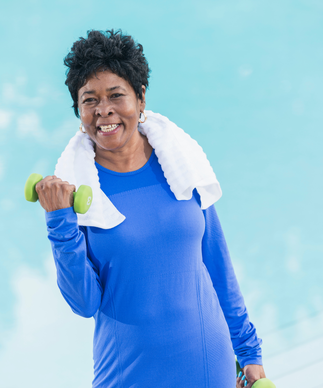
9. Reduced Risk of Cardiovascular Disease
Getting the heart pumping keeps it healthy and strong. Physically active people have a lower risk of developing heart disease, and if they do, it happens later in life and with decreased severity. Regular exercise benefits all cardiovascular risk factors, including reducing excess weight, reducing high blood pressure, reducing high cholesterol, and reducing insulin resistance. (American Heart Association)
10. Prevent or Manage Type 2 Diabetes
Insulin is the key that gives access to your cells, allowing glucose (which is fuel) to enter. With type 2 diabetes, insulin struggles to allow glucose to enter into the cells where it's needed. As a result, excess glucose remains in the bloodstream, shooting your blood sugar sky high.
However, insulin sensitivity increases when you exercise, allowing your muscle cells to more efficiently use up the excess glucose hanging around in your bloodstream. Over time, this can help prevent the development of type 2 diabetes or better manage diabetes if you already have it. (American Diabetes Association)
11. Prevent or Manage Cancer
Studies have found evidence of a link between higher physical activity levels and a lower risk of bladder cancer, breast cancer, colon cancer, endometrial cancer, esophageal cancer, renal cell kidney cancer, and stomach cancer. Exercise has a wide range of beneficial effects on the body, such as reduced inflammation, improved hormone balance, improved immune function, and many other factors that can help prevent or manage diseases. (American Cancer Association) Whether you're worried because a specific type of cancer runs in your family, trying to manage cancer you already have, or trying to maintain a healthy lifestyle once you're in remission, regular exercise is the way to go.
12. A Natural Painkiller
That runner's high can be a delicious feeling. It feels like your body's reward for a job well done. Also known as exercise-induced hypoalgesia, runner's high can significantly decrease pain due to the release of endorphins, those "feel good" brain chemicals that help promote a sense of well-being. Even for chronic pain conditions, moderate-intensity cardiovascular exercise and strength training exercises can both be particularly beneficial for making your body more resilient to pain. (Practical Pain Management)
Getting the heart pumping keeps it healthy and strong. Physically active people have a lower risk of developing heart disease, and if they do, it happens later in life and with decreased severity. Regular exercise benefits all cardiovascular risk factors, including reducing excess weight, reducing high blood pressure, reducing high cholesterol, and reducing insulin resistance. (American Heart Association)
10. Prevent or Manage Type 2 Diabetes
Insulin is the key that gives access to your cells, allowing glucose (which is fuel) to enter. With type 2 diabetes, insulin struggles to allow glucose to enter into the cells where it's needed. As a result, excess glucose remains in the bloodstream, shooting your blood sugar sky high.
However, insulin sensitivity increases when you exercise, allowing your muscle cells to more efficiently use up the excess glucose hanging around in your bloodstream. Over time, this can help prevent the development of type 2 diabetes or better manage diabetes if you already have it. (American Diabetes Association)
11. Prevent or Manage Cancer
Studies have found evidence of a link between higher physical activity levels and a lower risk of bladder cancer, breast cancer, colon cancer, endometrial cancer, esophageal cancer, renal cell kidney cancer, and stomach cancer. Exercise has a wide range of beneficial effects on the body, such as reduced inflammation, improved hormone balance, improved immune function, and many other factors that can help prevent or manage diseases. (American Cancer Association) Whether you're worried because a specific type of cancer runs in your family, trying to manage cancer you already have, or trying to maintain a healthy lifestyle once you're in remission, regular exercise is the way to go.
12. A Natural Painkiller
That runner's high can be a delicious feeling. It feels like your body's reward for a job well done. Also known as exercise-induced hypoalgesia, runner's high can significantly decrease pain due to the release of endorphins, those "feel good" brain chemicals that help promote a sense of well-being. Even for chronic pain conditions, moderate-intensity cardiovascular exercise and strength training exercises can both be particularly beneficial for making your body more resilient to pain. (Practical Pain Management)
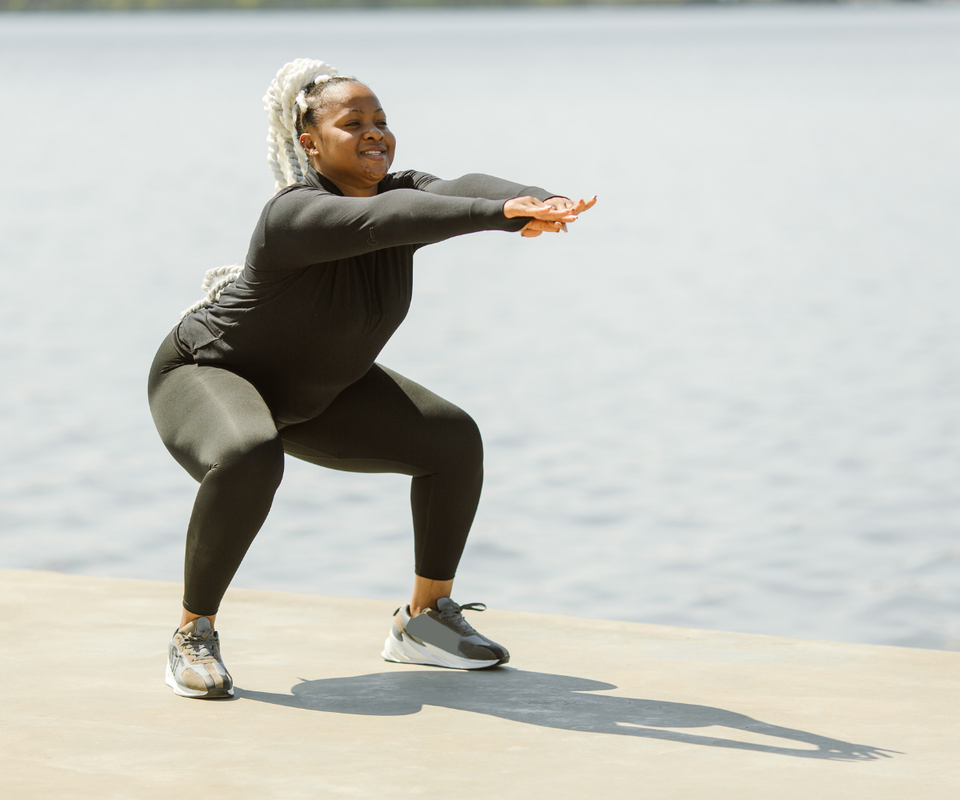
13. Improved Mood
Those feel-good, pain-numbing endorphins floating around can put you in a better mood, and if you find that you struggle with your mood often, then regular exercise may be the antidote. Research has found that the more physically active you are, the lower your likelihood of becoming depressed. (Harvard)
Getting exercise is an effective mood booster even in cases of long-term depression. Research has also found that regular exercise can help with anxiety by helping to regulate the body's fight-or-flight response. (American Psychological Association)
14. Less PMS
Irritability. Depression. Cramps. Fatigue. PMS can be both a metaphorical and literal pain, and I know it all too well. One of the most life-changing discoveries that I've made, though, is that remaining active during my PMS window rather than using it as an excuse to move less actually does wonders for how I feel.
The pain-relieving properties of those endorphins can come in handy during that time of the month. Aerobic exercise - the kind of exercise that gets your heart pumping - has been shown to reduce symptoms of depression and fatigue related to PMS. Yoga can help to reduce cramps and bloating while also reducing stress. (WebMD)
And while it also seems counter-intuitive to move when you're already feeling tired, remember that exercise can give you energy. The first few minutes might be a pain, but chances are you'll be feeling much better in the end.
15. Better Sex
Increased muscular strength, less fatigue, increased stamina, reduced stress, and a better mood are all ingredients for better sex, regardless of gender. (WebMD) Exercise gets the heart pumping, which gets the blood flowing to all the right places. Improved circulation can also help reduce the risk of erectile dysfunction. Weight-bearing exercise can strengthen the pelvic muscles, meaning more orgasmic experiences. (Healthline)
16. Stronger Immune System
Regular, moderate-intensity exercise stimulates many biological mechanisms linked to an improved immune system, including anti-inflammatory and antioxidant effects. Maintaining a consistent exercise habit into our older years can also help to slow down the natural reduction in immunity that occurs with age. (Journal of Sport and Health Science)
Those feel-good, pain-numbing endorphins floating around can put you in a better mood, and if you find that you struggle with your mood often, then regular exercise may be the antidote. Research has found that the more physically active you are, the lower your likelihood of becoming depressed. (Harvard)
Getting exercise is an effective mood booster even in cases of long-term depression. Research has also found that regular exercise can help with anxiety by helping to regulate the body's fight-or-flight response. (American Psychological Association)
14. Less PMS
Irritability. Depression. Cramps. Fatigue. PMS can be both a metaphorical and literal pain, and I know it all too well. One of the most life-changing discoveries that I've made, though, is that remaining active during my PMS window rather than using it as an excuse to move less actually does wonders for how I feel.
The pain-relieving properties of those endorphins can come in handy during that time of the month. Aerobic exercise - the kind of exercise that gets your heart pumping - has been shown to reduce symptoms of depression and fatigue related to PMS. Yoga can help to reduce cramps and bloating while also reducing stress. (WebMD)
And while it also seems counter-intuitive to move when you're already feeling tired, remember that exercise can give you energy. The first few minutes might be a pain, but chances are you'll be feeling much better in the end.
15. Better Sex
Increased muscular strength, less fatigue, increased stamina, reduced stress, and a better mood are all ingredients for better sex, regardless of gender. (WebMD) Exercise gets the heart pumping, which gets the blood flowing to all the right places. Improved circulation can also help reduce the risk of erectile dysfunction. Weight-bearing exercise can strengthen the pelvic muscles, meaning more orgasmic experiences. (Healthline)
16. Stronger Immune System
Regular, moderate-intensity exercise stimulates many biological mechanisms linked to an improved immune system, including anti-inflammatory and antioxidant effects. Maintaining a consistent exercise habit into our older years can also help to slow down the natural reduction in immunity that occurs with age. (Journal of Sport and Health Science)
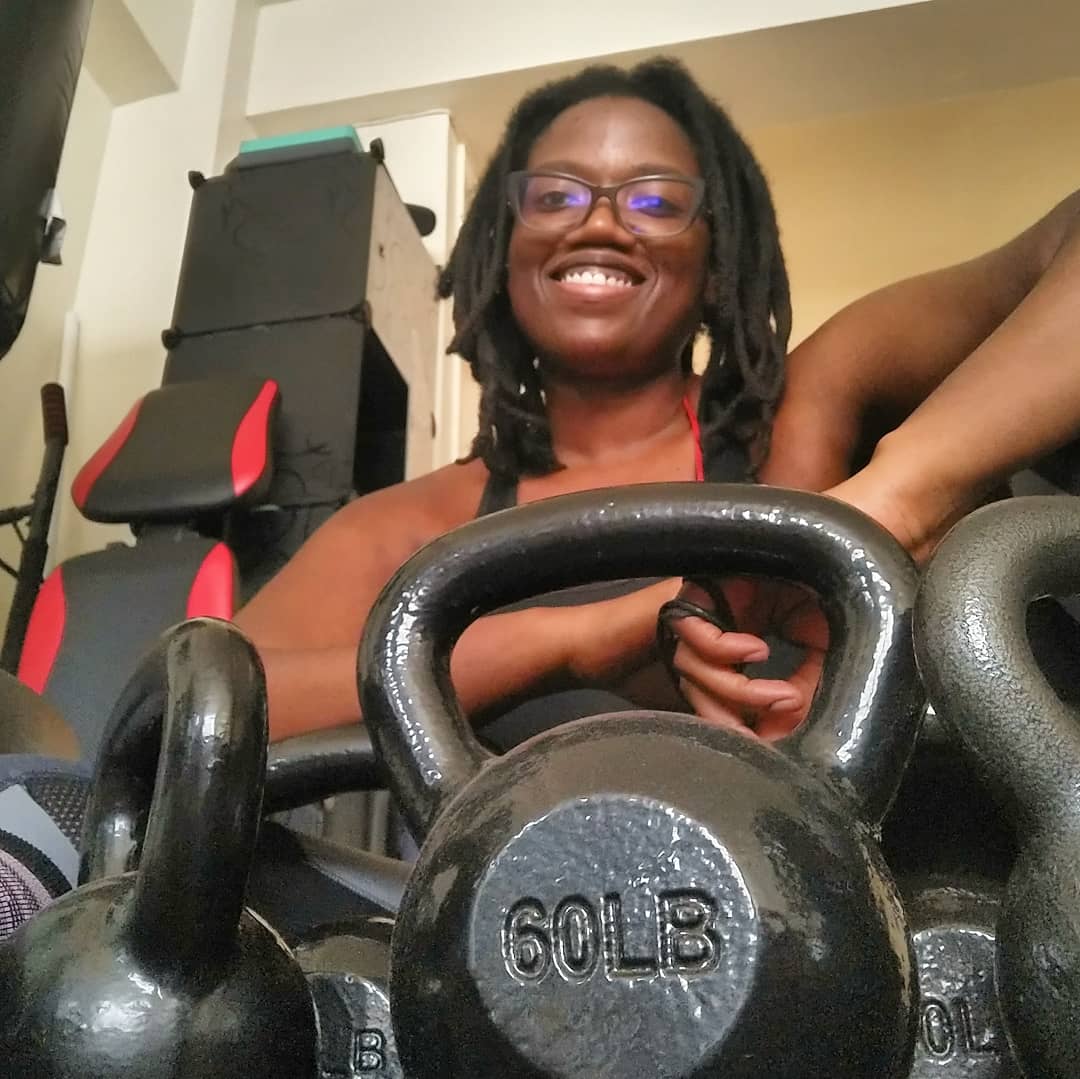
Author
Niv Mullings is a Plant-Based Personal Trainer and Weight Loss Specialist from the Bronx, New York, currently residing in Jacksonville, Florida. After years of struggling with obesity, anxiety, depression, painful menstruation, and other chronic health complaints, Niv changed her life for the better through fitness and a healthy plant-based diet. Now she helps others to do the same.
Archives
December 2022
April 2022
March 2022
February 2022
January 2022
December 2021
Categories
All
Disease
Fitness
Genetics & Epigenetics
Menstrual Health
Nutrition
Personal Stories
Plant Based Nutrition
Veganism
Walking
Weight Loss
Workout Motivation
 RSS Feed
|
COPYRIGHT © NIV MULLINGS 2021
|
|